Why Gardening Is More Than Just a Hobby
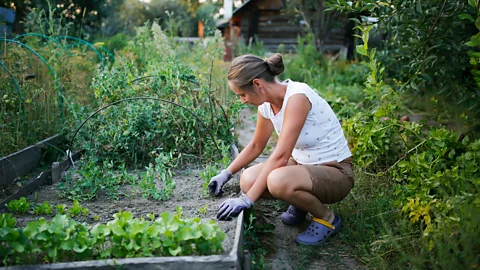
Imagine stepping into your backyard, the morning sun warming your face, as you dig your hands into cool, rich soil. That simple act of gardening isn’t just about growing flowers or vegetables—it’s a pathway to a healthier, happier, and longer life. Research and real-life stories show that gardening offers profound physical, mental, and social benefits, making it a powerful tool for enhancing well-being. Let’s explore how tending to plants can nurture your body, mind, and soul, helping you live better for longer.
Physical Health Benefits of Gardening
A Natural Workout for Your Body
Gardening is like sneaking exercise into your day without hitting the gym. Digging, planting, weeding, and hauling compost can burn 200–400 calories per hour, depending on the intensity. A 2016 meta-analysis found that gardening significantly improves physical health outcomes, including better cardiovascular fitness and muscle strength. It’s a low-impact way to stay active, perfect for all ages.
Boosting Your Immune System
Ever heard of the “hygiene hypothesis”? Spending time in the dirt exposes you to beneficial microbes that can strengthen your immune system. Studies from the University of Tokyo suggest that gardening increases exposure to soil bacteria like Mycobacterium vaccae, which may reduce inflammation and boost mood. It’s like a natural vaccine, delivered through every handful of soil.
Supporting Long-Term Mobility
As we age, staying mobile is key to independence. Gardening tasks like squatting, bending, and stretching keep joints flexible and muscles engaged. A Colorado State University study noted that regular gardeners over 60 reported better balance and fewer mobility issues than non-gardeners. Your garden becomes a gentle, daily physical therapy session.
Table: Physical Benefits of Gardening
| Activity | Calories Burned/Hour | Key Physical Benefit |
|---|---|---|
| Digging/Planting | 250–400 | Builds muscle strength |
| Weeding | 200–300 | Improves flexibility |
| Watering/Carrying | 150–250 | Enhances cardiovascular health |
Mental Health Benefits of Gardening
A Natural Stress Reliever
Picture this: after a long day, you’re pruning roses, the scent filling the air, and suddenly, the world feels lighter. Gardening reduces cortisol levels, the stress hormone, according to a 2016 study. Just 30 minutes of gardening can lower stress more effectively than reading indoors. It’s like nature’s own meditation, grounding you in the moment.
Boosting Mood and Fighting Depression
Gardening isn’t just about pretty flowers—it’s a mood-lifter. That same Mycobacterium vaccae in soil has been linked to increased serotonin production, acting as a natural antidepressant. I remember my neighbor, Susan, who started gardening after a tough year. She’d beam while showing off her tomatoes, saying, “These plants saved me.” Her story echoes research showing gardening reduces symptoms of depression and anxiety.
Enhancing Cognitive Function
Gardening keeps your brain sharp. A study from Colorado State University found that gardeners have better cognitive function and lower rates of dementia than non-gardeners. Tasks like planning a garden layout or remembering planting schedules engage memory and problem-solving skills. It’s like a mental workout disguised as fun.
Social and Emotional Benefits of Gardening
Building Community Connections
Gardening often brings people together. Whether it’s swapping seeds with a neighbor or joining a community garden, these interactions foster social bonds. Research from Colorado State University highlights that community gardeners report higher life satisfaction due to increased social interaction. I’ve seen this firsthand at my local garden club, where strangers become friends over shared zucchini harvests.
A Sense of Purpose and Accomplishment
There’s something deeply satisfying about watching a tiny seed grow into a thriving plant. Gardening provides a sense of purpose, especially for retirees or those feeling isolated. My uncle, a retired teacher, found renewed joy in his 70s tending a small vegetable patch. He’d proudly share his carrots, saying, “This is my legacy now.” That pride translates to emotional resilience and a longer, happier life.
Gardening as a Longevity Booster
Why Gardening Extends Life Expectancy
Gardening combines physical activity, mental stimulation, and social engagement—all key factors in longevity. A 2016 meta-analysis showed that gardeners have lower rates of chronic illnesses like heart disease and diabetes, contributing to a longer lifespan. The act of nurturing plants mirrors self-care, fostering habits that promote long-term health.
Comparison: Gardening vs. Other Activities
| Activity | Physical Benefits | Mental Benefits | Social Benefits |
|---|---|---|---|
| Gardening | Moderate exercise | Stress relief | Community bonding |
| Jogging | High-intensity | Mood boost | Limited |
| Reading | Minimal | Cognitive stimulation | None |
Pros of Gardening for Longevity:
- Combines physical, mental, and social benefits
- Accessible to all ages and fitness levels
- Low-cost and sustainable
Cons of Gardening for Longevity:
- Requires time and consistent effort
- Weather-dependent for outdoor gardening
- Initial setup costs for tools or seeds
How to Start Gardening for Health
Choosing the Right Garden for You
Not sure where to start? Begin small with a container garden on your balcony or a raised bed in your yard. Herbs like basil or vegetables like lettuce are beginner-friendly. Local nurseries or online retailers like Burpee offer seeds and starter kits for all skill levels. Pick plants suited to your climate for the best results.
Best Tools for Gardening
Investing in quality tools makes gardening easier and more enjoyable. Here are some essentials:
- Ergonomic trowel: Reduces hand strain.
- Pruning shears: Perfect for trimming plants.
- Watering can: Ensures precise watering.
Check out Gardener’s Supply Company for durable, beginner-friendly tools. For budget options, try local hardware stores or Amazon.
Tips for Sustainable Gardening
Want to garden with purpose? Try these eco-friendly practices:
- Compost: Turn kitchen scraps into nutrient-rich soil.
- Native plants: Require less water and maintenance.
- Rain barrels: Collect rainwater to reduce waste.
These habits not only benefit your garden but also align with eco-conscious trends, enhancing your connection to the environment.
Overcoming Common Gardening Challenges
Dealing with Limited Space
No big backyard? No problem. Vertical gardens or indoor planters can thrive in small spaces. My friend Lisa grows herbs on her apartment windowsill, proving you don’t need acres to garden. Check out The Spruce for creative small-space gardening ideas.
Managing Time Constraints
Busy schedule? Low-maintenance plants like succulents or perennials require minimal care. Set aside 10–15 minutes daily for watering or weeding. Apps like Gardenia can send reminders to keep you on track.
Coping with Physical Limitations
Gardening is for everyone, even with physical challenges. Raised garden beds reduce bending, and lightweight tools ease strain. Adaptive gardening tools from ActiveAid can make tasks accessible for those with mobility issues.
People Also Ask (PAA) Section
How does gardening improve mental health?
Gardening reduces stress by lowering cortisol levels and boosts mood through exposure to soil microbes that increase serotonin. It also provides a sense of accomplishment, combating anxiety and depression. Regular gardening can enhance cognitive function, potentially reducing dementia risk.
Can gardening really extend your life?
Yes, gardening promotes longevity by combining physical activity, mental stimulation, and social interaction. Studies show gardeners have lower rates of chronic diseases like heart disease, contributing to a longer, healthier life. The act of nurturing plants fosters healthy habits.
What are the best plants for beginner gardeners?
Easy-to-grow plants include herbs like basil or mint, vegetables like lettuce or radishes, and flowers like marigolds. These require minimal care and thrive in various climates. Check with local nurseries for plants suited to your region.
How can I garden if I have no outdoor space?
Container gardening, vertical gardens, or indoor planters are great for small spaces. Herbs, succulents, or microgreens can grow on windowsills or balconies. Resources like Urban Farmer offer seeds for small-space gardening.
FAQ Section
Q: Is gardening expensive to start?
A: Not necessarily! Basic tools and seeds can cost as little as $20–$50. Composting and saving seeds reduce long-term costs. Check local gardening clubs for free or swapped resources.
Q: How much time does gardening take?
A: Beginners can start with 10–15 minutes daily for small gardens. Larger plots may need 1–2 hours weekly. Low-maintenance plants save time for busy schedules.
Q: Can gardening help with anxiety?
A: Absolutely. Gardening lowers cortisol and boosts serotonin, reducing anxiety. The rhythmic tasks and connection to nature create a calming, meditative effect.
Q: What if I’m not physically fit for gardening?
A: Adaptive tools, raised beds, or container gardens make gardening accessible. Focus on low-effort tasks like watering or pruning. Consult ActiveAid for specialized tools.
Q: Where can I learn more about gardening?
A: Online resources like The Old Farmer’s Almanac or local gardening workshops offer tips. Community gardens are great for hands-on learning.
Conclusion: Grow Your Garden, Grow Your Life
Gardening is more than a pastime—it’s a lifestyle that nurtures your body, mind, and community. From burning calories to boosting serotonin, every moment spent in the dirt adds to your well-being. Whether you’re planting a single pot or a sprawling backyard garden, the benefits are undeniable: a healthier body, a sharper mind, and a longer, more connected life. So grab a trowel, plant a seed, and watch both your garden and your life flourish. What’s stopping you from digging in today?