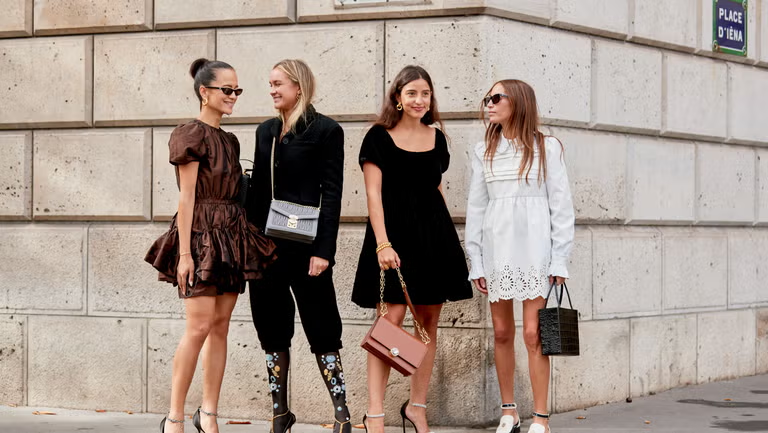
Why Personal Style Matters
In a world where fashion trends flicker like fireflies—here one day, gone the next—finding your personal style is like discovering a reliable compass. It’s not just about looking good; it’s about feeling like you, every single day. Your style is a visual handshake, a way to tell the world who you are without saying a word. As a fashion editor who’s spent years navigating runways, thrift stores, and everything in between, I’ve learned that personal style is less about chasing trends and more about curating a wardrobe that feels like an extension of your soul.
My Journey to Finding My Style
When I started in the fashion industry, I was a chameleon, morphing into whatever trend was hot that season—neon leggings one day, minimalist monochrome the next. It was exhausting, and honestly, I looked like I was playing dress-up in someone else’s closet. My “aha” moment came during a chaotic Fashion Week when I realized the most stylish people weren’t the ones in the loudest outfits—they were the ones who wore their clothes with unshakable confidence. That’s when I started my journey to uncover a style that was uniquely mine, and I’m here to share the steps that helped me—and can help you—find yours.
The Pressure of Trends
Social media can make you feel like you’re late to the style party if you don’t own the latest “it” bag or viral sneakers. But trends are fleeting, and chasing them can leave your wallet empty and your closet confused. True style isn’t about keeping up—it’s about standing out as yourself.
Step 1: Reflect on Who You Are
Know Your Lifestyle
Your style should fit your life like a well-tailored jacket. Are you a corporate warrior in boardroom meetings, a creative soul sketching in coffee shops, or a parent juggling school runs? My friend Sarah, a graphic designer, found her style by embracing bold colors and quirky accessories that matched her vibrant personality and freelance lifestyle. Take a moment to jot down your daily activities and how you want to feel in your clothes—comfortable, powerful, playful? This is your style’s foundation.
Identify Your Style Icons
Think of people whose style makes you pause and say, “Wow, that’s it.” For me, it was Chloë Sevigny’s effortless mix of vintage and modern pieces. Scroll through Instagram or Pinterest and save images of outfits that spark joy. Don’t just copy their looks—ask yourself why you’re drawn to them. Is it the textures, the colors, or the vibe? This helps you uncover patterns in your preferences.
Step 2: Explore and Experiment
Create a Mood Board
A mood board is your style playground. I started mine on Pinterest, pinning everything from 1970s boho dresses to sleek tailored blazers. Over time, I noticed a theme: I loved structured pieces with a touch of whimsy, like a sharp blazer paired with a flowy scarf. Grab a corkboard or use a digital platform like Canva to collect images of outfits, colors, and even non-fashion inspiration like art or nature. Patterns will emerge, guiding you toward your aesthetic.
Try Before You Buy
Shopping can be overwhelming, so take the pressure off by not buying right away. Spend a day browsing stores or online platforms like The RealReal or Etsy, trying on pieces that catch your eye. I once spent an afternoon in a vintage shop, trying on everything from a 1980s power suit to a 1920s flapper dress. It was like a sartorial history lesson, and I learned I gravitate toward timeless silhouettes with a modern twist. This no-pressure exploration helps you discover what feels right without buyer’s remorse.
The 70/30 Rule
Fashion stylist Emma Rose Thatcher suggests a 70/30 wardrobe balance: 70% timeless basics (think jeans, white shirts, blazers) and 30% fun, personality-driven pieces (like a quirky scarf or statement earrings). This mix keeps your wardrobe versatile yet unique. I adopted this rule and found it liberating—my basics keep me grounded, while my fun pieces let me play.
Step 3: Understand Your Body and Colors
Know Your Body Shape
Understanding your body shape isn’t about fitting into a mold—it’s about finding clothes that make you feel unstoppable. Whether you’re pear-shaped, hourglass, or athletic, certain silhouettes will naturally flatter you. For example, I’m petite with a short torso, so high-waisted pants and cropped jackets became my go-tos. Try on different cuts and notice what makes you feel confident. Resources like the Kibbe body typing system can offer a starting point, but don’t let it box you in.
Find Your Color Palette
Colors can transform how you feel and look. Warm skin tones might glow in earthy hues like terracotta, while cool tones shine in jewel shades like emerald. I discovered my love for soft neutrals like beige and ivory after experimenting with seasonal color analysis. Don’t be afraid to play with colors outside the “rules”—if a shade makes you happy, it’s probably right for you.
| Body Shape | Flattering Silhouettes | Styles to Avoid |
|---|---|---|
| Pear | A-line skirts, structured tops | Tight bottoms, shapeless dresses |
| Hourglass | Fitted dresses, belted jackets | Boxy, oversized shapes |
| Athletic | Soft blouses, flared pants | Overly tight or shapeless clothes |
| Petite | High-waisted pants, cropped tops | Long, overwhelming silhouettes |
Step 4: Shop Smart and Sustainably
Thrift and Vintage Shopping
Thrifting is like a treasure hunt for your style. Platforms like Depop or local vintage stores are goldmines for unique pieces that won’t break the bank. I once found a 1960s silk scarf that became my signature accessory, adding flair to even my simplest outfits. Secondhand shopping also aligns with sustainable fashion, reducing your environmental footprint.
Invest in Quality Basics
High-quality basics are the backbone of a stylish wardrobe. Think classic trench coats, well-fitted jeans, or a crisp white shirt. These pieces are worth the splurge because they last for years. I invested in a tailored blazer that I’ve worn to everything from job interviews to casual brunches—it’s like my style security blanket.
Pros and Cons of Thrifting vs. Buying New
Thrifting
Pros: Unique finds, budget-friendly, sustainable
Cons: Time-consuming, inconsistent sizing
Buying New
Pros: Reliable sizing, current trends, easy access
Cons: More expensive, less eco-friendly
Step 5: Refine and Evolve
Track Your Outfits
One of the best tricks I learned was tracking my outfits. Apps like Indyx or even a simple notebook can help you see what you actually wear versus what’s gathering dust. I noticed I kept reaching for my leather jacket and ankle boots, which helped me define my “edgy classic” vibe. Tracking also prevents you from buying duplicates or pieces that don’t fit your life.
Edit Your Closet
Every six months, I do a closet purge. If I haven’t worn something in a year, I ask: Does it spark joy? Does it fit my lifestyle? If not, it’s donated or sold. This keeps my wardrobe lean and focused, making it easier to get dressed each day. Start small—pull out five pieces you never wear and decide their fate.
Embrace Evolution
Your style isn’t static. As your life changes, so will your wardrobe. When I transitioned from a corporate job to freelancing, my stilettos were replaced with chic sneakers. Embrace these shifts—they’re a sign you’re growing. Keep experimenting, and don’t be afraid to revisit your mood board or try new combinations.
Comparison: Personal Style vs. Following Trends
| Aspect | Personal Style | Following Trends |
|---|---|---|
| Longevity | Timeless, evolves with you | Short-lived, changes every season |
| Cost | Investment in quality, sustainable | Can be expensive to keep up |
| Expression | Reflects your personality | Reflects external influences |
| Ease | Easy to maintain once defined | Requires constant updating |
People Also Ask (PAA)
How do I find my personal style on a budget?
Start by shopping your closet and thrifting for unique pieces. Focus on versatile basics and add personality with affordable accessories like scarves or jewelry. Platforms like Etsy or The RealReal offer budget-friendly vintage options.
What is the difference between fashion and style?
Fashion is about what’s trending, driven by designers and the market. Style is personal, reflecting your unique taste and personality. As Mike Belgue from Reigning Champ says, “Style is an expression of your true self.”
How can I find my style if I’m not into fashion?
You don’t need to love fashion to have style. Start by noticing what you feel good in—maybe it’s jeans and a tee. Experiment with small tweaks, like a new color or accessory, and build from there.
Where can I get inspiration for my personal style?
Look to Pinterest, Instagram, or fashion magazines for ideas. Follow style icons whose vibe resonates with you, and visit vintage stores or galleries to spark creativity.
FAQ Section
Q: How long does it take to find my personal style?
A: It’s a journey, not a race. It took me a couple of years of experimenting to feel confident in my style. Start small, try new things, and give yourself grace to evolve.
Q: Can my personal style change over time?
A: Absolutely! Your style should reflect your life’s changes—new jobs, hobbies, or even confidence levels can shift your aesthetic. Embrace the evolution.
Q: What if I don’t know where to start?
A: Begin with a mood board and shop your closet. Pull out pieces you love and ask why they make you happy. This will reveal clues about your style preferences.
Q: Is it okay to mix different styles?
A: Yes! Many people blend aesthetics—like preppy and eclectic or minimalist and boho. The key is to make sure the pieces feel cohesive and true to you.
Q: How do I avoid impulse buys?
A: Before buying, ask: Does this fit my lifestyle? Will I wear it often? Does it match my mood board? If it’s not a clear “yes,” walk away.
Final Thoughts
Finding your personal style is like writing your own story—one outfit at a time. It’s not about having a perfect wardrobe or following every trend; it’s about curating clothes that make you feel like the best version of yourself. Start with reflection, experiment fearlessly, and shop thoughtfully. Your style is already inside you, waiting to be uncovered. So, grab that mood board, try on that quirky jacket, and let your wardrobe tell the world who you are.