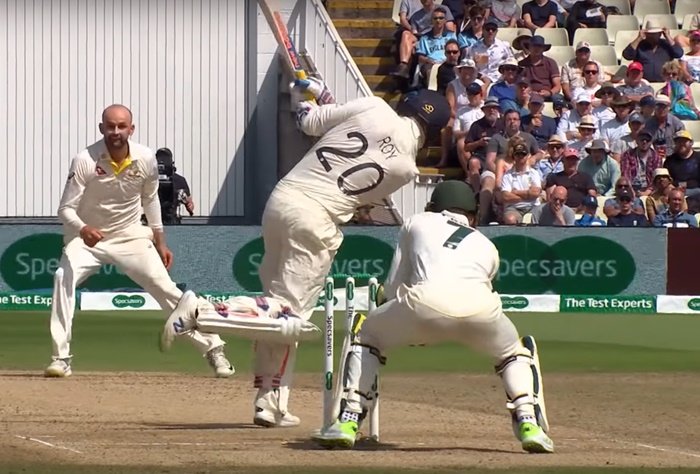
Cricket is more than just a sport—it’s a global phenomenon that sparks passion, unites communities, and occasionally leaves newcomers scratching their heads. If you’ve ever watched a match and wondered why players are chasing a tiny ball across a massive field or why games seem to last forever, you’re not alone. This guide will break down cricket in a way that’s easy to grasp, using relatable stories, clear explanations, and a sprinkle of humor to make sense of the stumps, overs, and sixes. Whether you’re curious about the rules, where to watch, or how to dive into the game yourself, we’ve got you covered.
Why Cricket Confuses People (And Why That’s Okay)
Cricket can feel like a puzzle wrapped in a riddle. With terms like “googlies,” “maidens,” and “LBW,” it’s no wonder beginners get lost. I remember my first encounter with cricket at a local park, where I thought the bowler was just lobbing the ball to be nice—until it whizzed past the batter at lightning speed! The confusion is real, but once you understand the basics, cricket’s charm shines through.
The Heart of Cricket: A Quick Overview
At its core, cricket is a bat-and-ball game played between two teams of 11 players on a field with a 22-yard pitch at the center. One team bats, trying to score runs, while the other team fields and bowls, aiming to limit those runs and get the batters out. Simple, right? Well, the devil’s in the details, and we’ll unpack those next.
The Basics of Cricket: How the Game Works
Cricket’s beauty lies in its mix of strategy, skill, and patience. Imagine a chess match where pawns can be bowled at 90 miles an hour! Each team takes turns batting and fielding, with the goal of outscoring the opponent while navigating a maze of rules that make the game endlessly fascinating.
The Objective: Scoring Runs
The batting team’s job is to score runs by hitting the ball and running between two sets of stumps (wooden sticks) at either end of the pitch. Each run counts as one point, and hitting the ball to the boundary scores four or six runs. The fielding team tries to stop this by catching the ball or hitting the stumps before the batter completes a run.
Getting Out: The Many Ways to End a Turn
Batters can be dismissed in several ways—caught, bowled, run out, or the dreaded LBW (leg before wicket). I once saw a friend cheer wildly when his team got a batter out, only to realize he didn’t know why it happened. LBW, for instance, occurs when the ball would’ve hit the stumps but hits the batter’s leg instead—tricky but thrilling once you get it!
Overs and Innings: The Structure of Play
Cricket is divided into “overs,” where the bowler delivers six balls. Each team gets one or two innings (turns to bat), depending on the format. The game ends when all batters are out or a set number of overs is completed. It’s like a marathon with sprint-like moments of excitement.
Cricket Formats: From Quick Hits to Epic Battles
Cricket comes in different flavors, each with its own pace and vibe. Whether you prefer a fast-paced showdown or a slow-burn epic, there’s a format for you.
Test Cricket: The Classic Marathon
Test matches are the granddaddies of cricket, lasting up to five days. Each team gets two innings, and the game tests endurance and strategy. It’s like reading a 1,000-page novel—deep, complex, and not for everyone, but fans adore its depth.
One-Day Internationals (ODIs): The Middle Ground
ODIs are limited to 50 overs per team, wrapping up in a day. They balance strategy with speed, making them perfect for fans who want action without committing a week. Think of it as a blockbuster movie—exciting and accessible.
T20: The Fast and Furious
Twenty20 (T20) is cricket’s adrenaline shot, with each team facing 20 overs. Matches last about three hours, packed with big hits and dramatic moments. It’s like a high-energy concert—short, loud, and unforgettable.
Comparison of Cricket Formats
| Format | Duration | Overs per Team | Best For |
|---|---|---|---|
| Test Cricket | Up to 5 days | Unlimited | Die-hard fans, purists |
| ODI | ~8 hours | 50 | Balanced action, wider appeal |
| T20 | ~3 hours | 20 | Newcomers, thrill-seekers |
The Equipment: What You Need to Play
Cricket doesn’t require much, but the gear is iconic. From the bat’s satisfying thwack to the ball’s unpredictable bounce, every piece plays a role.
Bats, Balls, and Stumps
- Bat: A flat wooden blade used to smack the ball. Modern bats are lightweight but sturdy.
- Ball: Hard, leather-covered, and stitched, it’s designed to bounce and swing in the air.
- Stumps: Three wooden sticks topped with bails, forming the target for bowlers.
Protective Gear
Batters and wicketkeepers wear pads, gloves, and helmets to stay safe. I once tried on a friend’s cricket helmet and felt like a knight ready for battle—until I realized I could barely see the ball coming!
Key Roles on the Field
Every player has a job, and teamwork makes the dream work. Here’s a quick rundown of the main roles.
The Bowler: The Game’s Spearhead
The bowler is the fielding team’s star, hurling the ball to outwit the batter. Fast bowlers rely on speed, while spinners use tricks like spin and bounce. Watching a bowler like Jasprit Bumrah is like seeing a magician at work.
The Batter: The Run Machine
Batters aim to score runs and protect their stumps. They range from aggressive hitters to patient defenders. Think of them as the team’s sword, slashing through the opposition’s plans.
The Wicketkeeper: The Unsung Hero
Positioned behind the stumps, the wicketkeeper catches missed balls and attempts stumpings. Their quick reflexes are vital, like a goalie in soccer but with less padding.
Fielders: The Silent Warriors
Fielders chase, catch, and throw to stop runs and get batters out. A spectacular catch can turn a game, and I’ve seen crowds roar louder for a fielder’s dive than a six!
Why Cricket Captivates Millions
Cricket’s appeal lies in its mix of strategy, skill, and drama. It’s a sport where a single ball can change everything. Growing up, I watched my uncle leap off the couch when India won a nail-biting match—it’s that kind of emotion that hooks you.
A Global Passion
From India’s bustling streets to Australia’s sunny pitches, cricket unites diverse cultures. It’s a religion in countries like India, where fans treat players like gods. In England, it’s a summer tradition, complete with tea breaks and polite applause.
Moments of Magic
Cricket is full of heart-stopping moments—a last-ball six, a diving catch, or a bowler’s perfect yorker. These moments create stories that fans retell for years, like the time I saw a local game where an underdog hit a six to win on the final ball.
Pros and Cons of Watching Cricket
Pros:
- Exciting, unpredictable moments.
- Appeals to both casual and hardcore fans.
- Global community and cultural significance.
Cons:
- Long matches (especially Test cricket) can feel daunting.
- Complex rules may confuse beginners.
- Weather can interrupt outdoor games.
Where to Watch Cricket: Navigational Tips
Want to catch a game? Cricket is accessible both live and online, with options for every fan.
Live Matches
- Stadiums: Iconic venues like Lord’s (England) or the MCG (Australia) offer electric atmospheres.
- Local Clubs: Check community fields for grassroots games, often free to watch.
- International Tours: Follow teams like India, Australia, or England on global tours.
Streaming and TV
- ESPNcricinfo: Offers live scores, highlights, and news (www.espncricinfo.com).
- Willow TV: A go-to for live cricket in the USA (www.willow.tv).
- Hotstar: Streams major tournaments in India and beyond (www.hotstar.com).
Best Tools for Cricket Fans: Transactional Content
To dive deeper, use these tools to enhance your cricket experience.
Apps and Websites
- Cricbuzz: Live scores, commentary, and stats (www.cricbuzz.com).
- ESPNcricinfo: In-depth analysis and player profiles.
- MyCricket: Tracks local league stats for players and fans.
Gear for Playing
- Bats: Brands like Gray-Nicolls or Kookaburra offer quality options (www.kookaburra.biz).
- Training Aids: Net practice kits or bowling machines for skill-building (www.cricketdirect.co.uk).
Top Tools for Cricket Enthusiasts
| Tool | Purpose | Where to Get |
|---|---|---|
| Cricbuzz App | Live scores, news | App Store, Google Play |
| Kookaburra Bat | High-quality batting | www.kookaburra.biz |
| ESPNcricinfo | Match analysis, history | www.espncricinfo.com |
People Also Ask (PAA) Section
Here are answers to common Google questions about cricket.
What is the basic rule of cricket?
Cricket involves two teams of 11 players, with one team batting to score runs and the other fielding to get them out. Runs are scored by hitting the ball and running between stumps or hitting boundaries. The team with the most runs wins.
How long is a cricket match?
Match length varies by format: T20 lasts about 3 hours, ODIs around 8 hours, and Test matches up to 5 days. Weather and game situations can affect duration.
Is cricket easy to learn?
Cricket’s basics are straightforward, but its nuances take time to master. Watching a few games and playing casually can help beginners pick it up quickly.
Why is cricket so popular?
Cricket’s mix of strategy, skill, and cultural significance makes it a global hit. Its ability to create dramatic moments keeps fans hooked across generations.
FAQ Section
Q: How do I start playing cricket?
A: Join a local club or school team, get basic gear (bat, ball, pads), and practice in nets. Watching tutorials on YouTube or apps like Cricbuzz can help you learn techniques.
Q: What’s the difference between a four and a six in cricket?
A: A four is scored when the ball crosses the boundary after touching the ground, while a six is scored when it flies over the boundary without bouncing.
Q: Can I watch cricket for free?
A: Some platforms like Cricbuzz offer free highlights, but live matches often require subscriptions like Willow TV or Hotstar. Check local broadcasts for free options.
Q: Is cricket similar to baseball?
A: Both involve hitting a ball with a bat, but cricket’s rules, field, and strategies differ. Cricket has a longer pitch, no foul lines, and varied bowling styles.
Q: How can I understand cricket terminology?
A: Start with basics like “runs,” “wickets,” and “overs.” Use resources like ESPNcricinfo’s glossary or watch beginner-friendly videos to build your vocab.
Wrapping Up: Your Cricket Journey Starts Here
Cricket might seem daunting at first, but it’s a game of heart, strategy, and unforgettable moments. Whether you’re cheering for a six, marveling at a bowler’s spin, or just enjoying the vibe at a local match, there’s something for everyone. So grab a bat, tune into a game, or join a fan community—your cricket adventure awaits! For more tips, check out ESPNcricinfo or local cricket clubs near you.