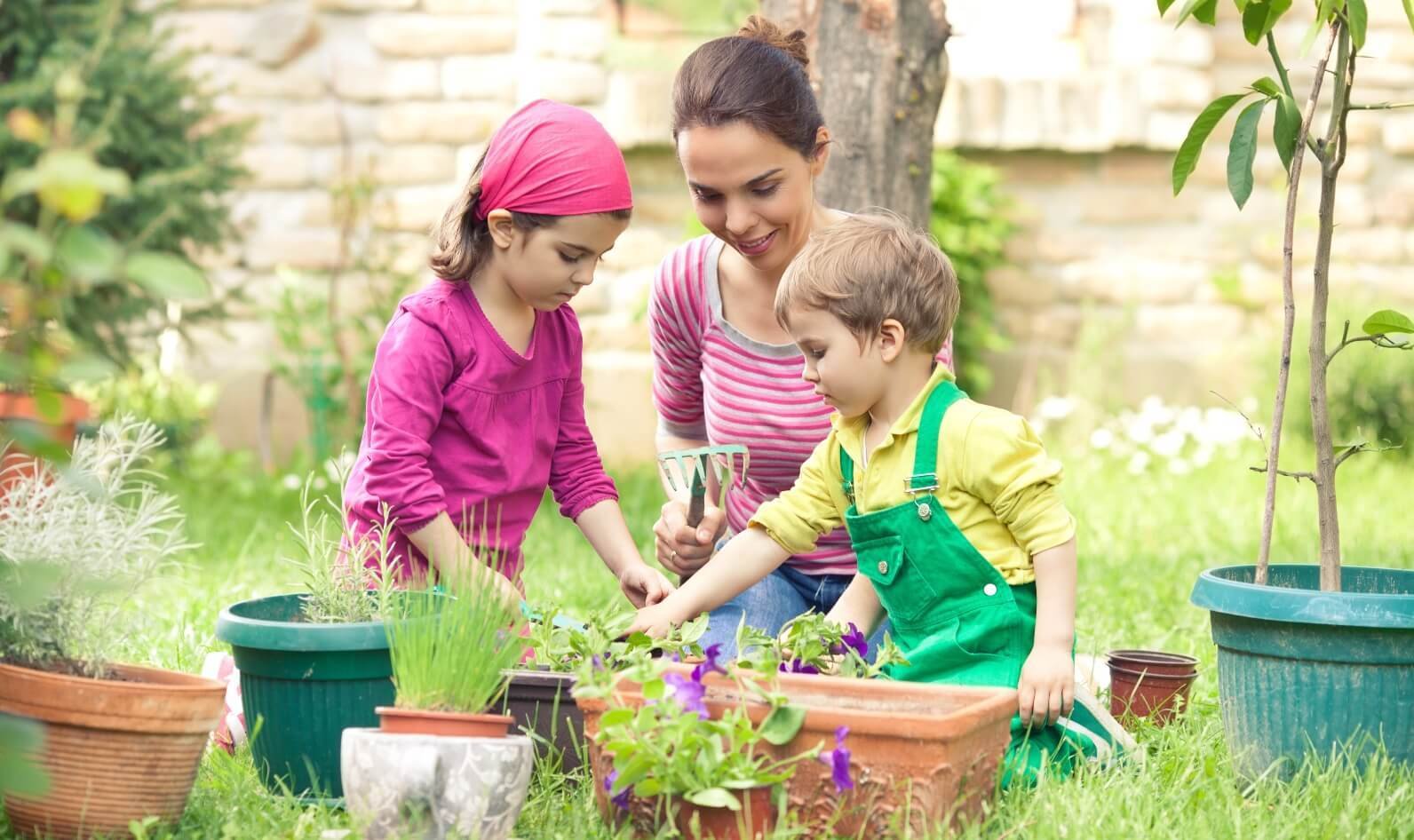
Gardening with your family is more than just planting seeds and watching them grow—it’s a shared journey that nurtures bonds, teaches life lessons, and brings everyone closer to nature. Whether you’re digging in a sprawling backyard or tending to a few pots on a balcony, the act of gardening together creates memories that last a lifetime. In this article, we’ll explore why gardening as a family is so rewarding, from strengthening relationships to boosting mental and physical health, and share practical tips to make it a meaningful experience for everyone.
Why Gardening With Family Matters
Family gardening is a hands-on way to connect with loved ones while cultivating something beautiful or edible. It’s a chance to step away from screens, slow down, and work together toward a common goal. From toddlers to grandparents, everyone can contribute, making it a uniquely inclusive activity that fosters unity and growth.
Building Stronger Family Bonds
Gardening requires teamwork, whether it’s deciding what to plant or taking turns watering. As you work side by side, you create opportunities for meaningful conversations and shared laughter. I remember planting sunflowers with my niece last summer—she was thrilled to see them tower over her by fall, and we still talk about “our” flowers.
Teaching Responsibility and Patience
Gardening teaches kids and adults alike the value of consistent care. Plants don’t thrive overnight; they need regular attention, mirroring the patience required in life. Assigning tasks like weeding or watering helps children understand accountability while adults model perseverance.
Health Benefits of Family Gardening
Gardening isn’t just good for the soul—it’s a boon for physical and mental health. Studies show that spending time in nature reduces stress and improves well-being, and gardening as a family amplifies these benefits by combining outdoor activity with social connection.
Physical Health Boost
Gardening is a sneaky workout. Digging, planting, and hauling soil burn calories and build strength. According to the Mayo Clinic, gardening can improve immune response and increase vitamin D levels from sunlight exposure, benefiting everyone from kids to seniors.
Mental Health and Stress Relief
The rhythmic tasks of gardening—think pulling weeds or pruning—can feel meditative. Research from BMC Public Health shows gardening significantly improves mental health, especially for those with chronic conditions. For families, it’s a calming way to unplug and reconnect.
Comparison: Gardening vs. Other Family Activities
| Activity | Physical Benefits | Mental Benefits | Family Bonding | Cost |
|---|---|---|---|---|
| Gardening | Moderate exercise | Stress relief | High | Low |
| Video Games | Minimal | Some engagement | Moderate | High |
| Hiking | High exercise | Nature exposure | High | Moderate |
| Board Games | Minimal | Cognitive boost | High | Low |
Gardening stands out for its low cost and high bonding potential, making it accessible for most families.
Educational Value of Gardening Together
Gardening is a living classroom. It introduces kids to science, ecology, and even math (measuring plant growth, anyone?). For adults, it’s a chance to share knowledge and learn alongside younger generations, creating a cycle of curiosity and discovery.
Learning About Nature
Kids get hands-on lessons about plant life cycles, pollination, and biodiversity. Discussing how bees help your tomatoes grow can spark a lifelong interest in the environment. The National Gardening Association notes that gardening fosters stronger family ties and ecological awareness.
Practical Life Skills
From budgeting for seeds to planning a garden layout, gardening teaches practical skills. Kids learn to care for living things, while adults might pick up new techniques, like companion planting. These skills carry forward, shaping responsible, thoughtful individuals.
How to Start Gardening as a Family
Getting started is easier than you think, even if you’re new to gardening or have limited space. The key is to keep it simple, involve everyone, and make it fun. Here’s how to kick off your family gardening adventure.
Choosing the Right Plants
Start with easy-to-grow plants like sunflowers, radishes, or herbs like basil. These grow quickly, keeping kids engaged. Check your USDA hardiness zone to pick plants suited to your climate—your local nursery can help.
Best Tools for Family Gardening
- Hand trowel: Perfect for small hands to dig safely.
- Watering can: Lightweight for kids to carry.
- Gloves: Protect hands and come in fun colors for kids.
- Raised garden bed kit: Ideal for small spaces or balconies.
You can find these at local garden centers or online retailers like Home Depot or Amazon.
Pros and Cons of Family Gardening
Pros:
- Strengthens family bonds
- Improves physical and mental health
- Teaches responsibility and patience
- Low-cost activity
Cons:
- Requires time and consistency
- Weather can affect outcomes
- Initial setup may need investment
Making Gardening Fun for All Ages
Keeping everyone engaged is crucial for a successful family gardening experience. Tailor tasks to each family member’s age and interests, and add creative elements to make it feel like an adventure rather than a chore.
Activities for Young Kids
Give toddlers simple tasks like filling pots with soil or sprinkling seeds. My nephew loves “painting” plant pots with non-toxic colors—it’s messy but keeps him excited. These small jobs build confidence and a sense of ownership.
Engaging Teens and Adults
Teens might enjoy designing the garden layout or researching companion plants (like marigolds to deter pests). Adults can lead bigger tasks like building raised beds or composting, turning gardening into a family project everyone feels invested in.
Overcoming Common Gardening Challenges
Every garden faces hurdles, but with a bit of planning, you can keep your family’s enthusiasm high. Here are solutions to common issues that might pop up.
Limited Space Solutions
No backyard? No problem. Use vertical planters, window boxes, or even old containers for herbs. Apartment gardening is just as rewarding, and kids love watching mint sprout on a sunny sill.
Keeping Kids Interested
Kids can lose interest if results take too long. Choose fast-growing plants like lettuce or marigolds, and mix in fun projects like making garden signs. Celebrate small wins, like the first sprout, to keep the excitement alive.
The Long-Term Impact of Family Gardening
Gardening as a family creates more than a pretty yard—it builds traditions and memories that last. It’s a chance to pass down skills, from pruning roses to harvesting tomatoes, that can carry through generations.
Creating Family Traditions
Making gardening a regular activity—like a weekend ritual—turns it into a cherished tradition. My family still laughs about the time we planted zucchini and ended up with enough to feed the neighborhood. These stories become part of your family’s legacy.
Environmental Stewardship
Gardening teaches kids to care for the planet. By composting or choosing native plants, you show them how small actions make a big difference. It’s a lesson in sustainability that sticks with them for life.
People Also Ask (PAA) Section
What are the benefits of gardening for kids?
Gardening helps kids develop responsibility, patience, and an understanding of nature. It also boosts mental health by reducing stress and encourages physical activity through tasks like digging and watering.
How does gardening bring families closer?
Gardening fosters collaboration and communication as family members work together on tasks like planting and harvesting. It creates shared goals and memories, strengthening relationships.
What are the easiest plants for family gardening?
Radishes, sunflowers, and herbs like basil or mint are great for beginners. They grow quickly and are hardy, making them perfect for kids and new gardeners.
Can gardening improve mental health?
Yes, studies show gardening reduces stress and improves emotional well-being. It’s especially effective during challenging times, like the COVID-19 pandemic, for both adults and kids.
FAQ Section
How do I start gardening with my family if we have no experience?
Begin with simple plants like radishes or herbs and use online resources or local nursery advice. Start small with pots or a raised bed, and involve everyone in choosing plants to build excitement.
What if we don’t have a big outdoor space?
Use containers, vertical planters, or window boxes for small spaces. Herbs and small vegetables like cherry tomatoes thrive in tight spots, making gardening accessible anywhere.
How can gardening teach kids responsibility?
Assign age-appropriate tasks like watering or weeding. These chores teach kids that plants depend on their care, reinforcing accountability and the value of consistent effort.
What tools do we need for family gardening?
Basic tools include a hand trowel, watering can, gloves, and a small shovel. For small spaces, a raised garden bed kit is affordable and easy to set up.
How do I keep gardening fun for my kids?
Incorporate fun activities like decorating pots or tracking plant growth with a chart. Choose fast-growing plants and celebrate milestones like the first harvest to keep kids engaged.
Conclusion
Gardening with your family is a gift that keeps on giving. It’s a chance to grow closer, get healthier, and learn together while creating a little patch of beauty or bounty. Whether you’re planting a single pot of herbs or a full vegetable garden, the time spent digging, laughing, and watching plants thrive will leave a lasting mark on your family. So grab a trowel, rally your crew, and start planting—your garden and your relationships will thank you.