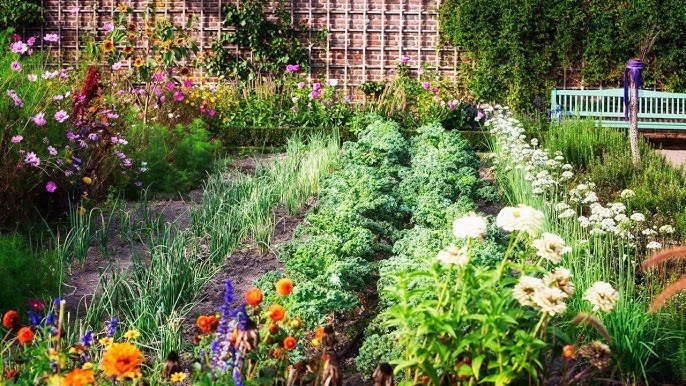
Hey there, fellow dirt-digger. I still remember the day I decided to trade my black thumb for a patch of earth in my backyard. It was a sunny afternoon in spring, and I’d just watched my neighbor pluck fresh basil from her windowsill like it was no big deal. Me? I’d managed to wilt a cactus once. But something about the idea of snipping my own salad greens pulled me in—plus, the promise of bragging rights at the next family barbecue. Fast-forward a few years, and my little veggie patch has become my happy place, yielding everything from cherry tomatoes that burst with flavor to radishes that crunch like tiny fireworks. If you’re staring at a blank yard (or balcony) wondering where to begin, you’re in good company. This guide isn’t some sterile textbook—it’s the chatty pep talk I’d give a friend over coffee, packed with 21 practical tips I’ve tested through trial, error, and a few glorious triumphs. We’ll cover everything from picking your plot to harvesting your first bounty, all while keeping it simple, fun, and foolproof. Ready to get your hands dirty? Let’s plant some roots—literal and figurative ones.
Laying the Groundwork: Your Garden’s Foundation
Before you grab a shovel, take a breath and scout your space like you’re planning the ultimate backyard adventure. Skipping this step is like building a house on sand—sure, it might stand for a day, but come the first storm, oof. I’ve learned this the hard way after my inaugural raised bed turned into a soggy mess during a summer downpour.
Tip 1: Pick a Sunny Spot (But Not Too Shady on Yourself)
Sunlight is your garden’s best friend—aim for at least six hours a day, south-facing if possible. I once squeezed tomatoes into a north-side corner thinking “close enough,” only to harvest green golf balls instead of ripe jewels. Track the sun’s path over a week with a simple app or notebook; it’ll save you headaches later.
Tip 2: Start Small to Avoid Overwhelm
Don’t dream of a farmstead right out the gate—a 4×4-foot bed or a few pots will do. My first plot was just two square feet of lettuce, and it felt like victory when I ate my homegrown salad. Scaling up comes naturally once you taste success (and maybe a few weeds).
Tip 3: Know Your Growing Zone
Google your USDA hardiness zone (I’m in 7b, mild winters and hot summers) to match plants to your climate. It’s like dating—pick the wrong match, and things fizzle fast. This tip alone turned my hit-or-miss planting into a rhythm that syncs with the seasons.
Tip 4: Sketch a Simple Layout
Grab paper and doodle rows or beds, taller plants in back (like corn) and low-growers up front (hello, carrots). Include paths for easy access—I added stepping stones after tripping over my own enthusiasm one too many times. This visual keeps chaos at bay.
Soil Savvy: The Secret Sauce Underfoot
Ah, soil—that humble mix of minerals, microbes, and mystery that makes or breaks your greens. I used to think “dirt is dirt,” until a soil test revealed my yard was more concrete than crumbly. Treating it right feels like giving your plants a spa day, and the payoff? Lush growth that makes you beam.
Tip 5: Test Your Soil’s Mood
Grab a cheap kit from a garden center or send a sample to your extension office—pH, nutrients, the works. Mine was acidic, so I sprinkled lime like fairy dust, and my peppers perked right up. It’s quick science that prevents guesswork disasters.
Tip 6: Amend with Compost Gold
Mix in homemade or bagged compost to boost fertility without chemicals. I started a worm bin (yes, really—those wrigglers are low-maintenance roommates), and now my beds hum with life. Think of it as superfood for your soil; your veggies will thank you with vigor.
Tip 7: Consider Raised Beds for Control
Build or buy one if your ground’s rocky—elevate 8-12 inches for better drainage. Pros: fewer weeds, warmer soil; cons: initial cost. My first raised bed was scrap wood and sheer will; it outlasted my in-ground flops by seasons.
| Raised Beds vs. In-Ground | Pros | Cons |
|---|---|---|
| Raised Beds | Better drainage, easier on back, pest barrier | Upfront build time/money, soil fill needed |
| In-Ground | Free start, natural ecosystem | Weeds galore, poor soil common |
Picking Your Plants: Easy Wins First
Choosing what to grow is like curating a playlist—start with crowd-pleasers that won’t flop on stage. I gravitated to forgiving veggies that thrive on benign neglect, turning my “maybe I’ll kill it” fears into “heck yeah, dinner’s ready” cheers. Focus on quick-harvest stars for that dopamine hit.
Tip 8: Go for Foolproof Veggies
Opt for lettuce, radishes, and bush beans—they’re speedy and sturdy. Radishes pop in 30 days; I planted them as “filler” and ended up with a peppery snack obsession. These builds confidence faster than a victory lap.
Tip 9: Source Seeds or Starts Wisely
Hit local nurseries for transplants (less waiting) or order heirloom seeds online from Seed Savers Exchange. I splurged on basil starts once—worth every penny for instant pesto dreams. Read packets for spacing and depth; they’re your cheat sheet.
Tip 10: Embrace Succession Planting
Sow seeds every two weeks for steady supply—plant carrots now, more in a month. My lumpy first batch taught me this; now my crisper stays stocked without the scramble. It’s the garden equivalent of meal prepping, minus the Tupperware.
Planting and Daily Digs: Hands in the Earth
The magic happens here—poking seeds into soil, watching sprouts poke back. It’s therapeutic, almost meditative, especially on those quiet mornings with coffee in hand. My ritual? A gentle pat-down and a whispered “grow, little one,” because why not add whimsy?
Tip 11: Time It with Frost Dates
Check The Old Farmer’s Almanac for your last spring frost—plant cool-season crops like peas before, heat-lovers like tomatoes after. I jumped the gun once; black-nosed beans were a sad lesson in patience.
Tip 12: Water Deep, Not Drip
Soak soil an inch weekly, morning best to dodge evaporation. I rigged a rain barrel for free H2O—eco-win and wallet-friendly. Overwatering drowns roots (guilty as charged early on); let topsoil dry slightly between rounds.
Tip 13: Mulch Like a Pro
Spread 2-3 inches of straw or leaves to lock in moisture and smother weeds. It saved my sanity during a heatwave; plants chilled while I sipped lemonade. Bonus: fewer slugs crashing the party.
Tip 14: Fertilize with Finesse
Use balanced organic feeds every 4-6 weeks—too much burns, too little starves. My compost tea (kitchen scraps brewed strong) is a gentle powerhouse; tomatoes went from leggy to laden overnight.
Pest Patrol and Plant Whispering: Keep ‘Em Thriving
Bugs and blights don’t discriminate, but neither does a watchful eye. I once lost a zucchini to squash bugs—heartbreaking, like a plot twist in a veggie thriller. But spotting issues early turns defense into a fun detective game.
Tip 15: Scout for Pests Daily
Inspect undersides for aphids or eggs; a strong hose blast or soapy spray nips ’em. Companion planting helps too—marigolds with tomatoes deter nematodes. I interplanted nasturtiums as “trap crops”; pests partied there, leaving my brassicas alone.
Tip 16: Prune for Airflow
Snip crowded leaves to prevent mildew—gloves on, shears sharp. My basil bush got too wild once, turning fungal; now I shape it like a topiary for health and harvests.
Tip 17: Harvest Often for More
Pick ripe stuff regularly—lettuce outer leaves, beans young and tender. Delay, and plants sulk (bitter bolts, anyone?). My cherry tomatoes exploded when I grazed daily; it’s the garden’s way of saying “keep me company.”
Leveling Up: From Novice to Nurturer
You’ve got greens greening—now tweak for longevity. This phase feels like leveling up in a game, where each tweak unlocks bounties. I journaled my flops (powdery mildew meltdown, anyone?) to fuel fixes; it’s equal parts therapy and treasure map.
Tip 18: Rotate Crops Annually
Swap families yearly to baffle soil diseases—tomatoes follow beans, not peppers. My three-year rotation ended a wilt streak; soil stayed sweet and strong.
Tip 19: Journal Your Journey
Note dates, weather, wins—it’s your personal almanac. Mine’s a battered notebook with sketches; flipping back reminds me growth (pun intended) is messy but magical.
Tip 20: Container Garden for Flexibility
Pots let you chase sun or dodge frost—ideal for renters. I grew peppers on my fire escape; urban jungle vibes with zero commitment.
Tip 21: Celebrate and Share the Harvest
Toss a salad party or gift extras—joy multiplies. My first bumper crop of cukes led to neighborly pickles; nothing bonds like shared bounty.
People Also Ask: Quick Hits on Beginner Blues
Diving into SERPs, these are the head-scratchers folks like you are typing into Google right now. I’ve fielded them at garden club meetups, so here’s the straight scoop, snippet-style for easy skimming.
What is the easiest vegetable to grow for beginners?
Radishes top the list—they’re ready in under a month, need minimal fuss, and forgive newbie errors like uneven watering. Sow directly in loose soil, thin to 2 inches apart, and harvest when they’re marble-sized. I call them the gateway drug to gardening; one success, and you’re hooked.
How do I start a vegetable garden with no experience?
Begin with a small, sunny spot and easy picks like lettuce or beans. Prep soil with compost, plant per packet instructions, and water consistently. Resources like the Almanac’s guide are gold. My zero-to-hero story? One pot of herbs on the sill—baby steps build empires.
When should I plant vegetables for beginners?
Tune into your frost dates—cool crops (kale, peas) pre-frost, warm ones (tomatoes, squash) post. In zone 6-8, that’s March-May for springs. Use a calendar app; I mark mine like holidays.
What tools do beginners need for vegetable gardening?
Essentials: trowel, gloves, watering can, pruners. For 2025, snag ergonomic ones from Burpee—they’re back-friendly. Skip fancy gadgets; basics bred my green streak.
Can I grow vegetables in pots as a beginner?
Absolutely—containers suit small spaces and let you control soil. Go for 5-gallon pots with drainage; plant bush varieties. My balcony beans proved apartments aren’t barriers.
Best Beginner Tools: Gear Up Without Breaking the Bank
Navigating the tool aisle? Here’s a transactional lifeline—top picks for under $50 total, based on hands-on hauls. These transactional must-haves cover digging to snipping, ensuring you’re equipped not overwhelmed.
| Tool | Why It’s a Winner | Where to Get It | Price Range |
|---|---|---|---|
| Hand Trowel | Digs precise holes without backache | Amazon or local hardware | $10-15 |
| Gardening Gloves | Nitrile-coated for grip, thorn-proof | Home Depot | $8-12 |
| Watering Can | Gentle shower for seedlings | Walmart | $15-20 |
| Pruners | Clean cuts for harvest/pruning | Etsy artisans | $12-18 |
Pros of investing early: Saves time, prevents blisters. Cons: Shiny new gear tempts impulse buys—stick to the fab four.
FAQ: Your Burning Beginner Questions Answered
Pulled from real chats and forums, these cover the “what ifs” that kept me up at night. Short, sweet, and straight from the soil.
How deep should my garden beds be for veggies?
Aim for 8-12 inches—enough for roots without wasting soil. Deeper (18+) suits carrots or potatoes. I went shallow first; it worked fine for greens but cramped my taters.
What’s the best fertilizer for beginner vegetable gardens?
Organic all-purpose like fish emulsion—dilute and apply monthly. Avoid synthetics; they spike then crash. Compost tea’s my lazy fave—nutrient-rich and worm-approved.
How often should I water my new plants?
Check soil: finger in an inch—if dry, water deeply. Once established, weekly deep soaks beat daily sprinkles. Mulch helps; my forgetful phase fried fewer leaves post-tip.
Do I need to worry about pests right away?
Yes, but gently—inspect weekly, use row covers early. Neem oil’s a soft zapper. Healthy soil = tough plants; mine shrugged off aphids after I dialed in the compost.
Where can I buy affordable seeds for beginners?
True Leaf Market for variety packs, or dollar stores for basics. Start with 5-10 types; I snagged radish seeds for pennies and planted a rainbow.
There you have it—your roadmap to a veggie patch that whispers “you did this” with every bite. Gardening’s not about perfection; it’s the quiet thrill of coaxing life from a seed, the earthy scent after rain, the simple pride in feeding yourself from the ground up. I started as a skeptic with soil under my nails and doubt in my heart, but now? It’s my reset button, my creative outlet, my slice of sanity. Grab that trowel, friend—your first harvest awaits, and it’ll taste like triumph. What’s your first plant pick? Drop a note; I’d love to cheer you on.