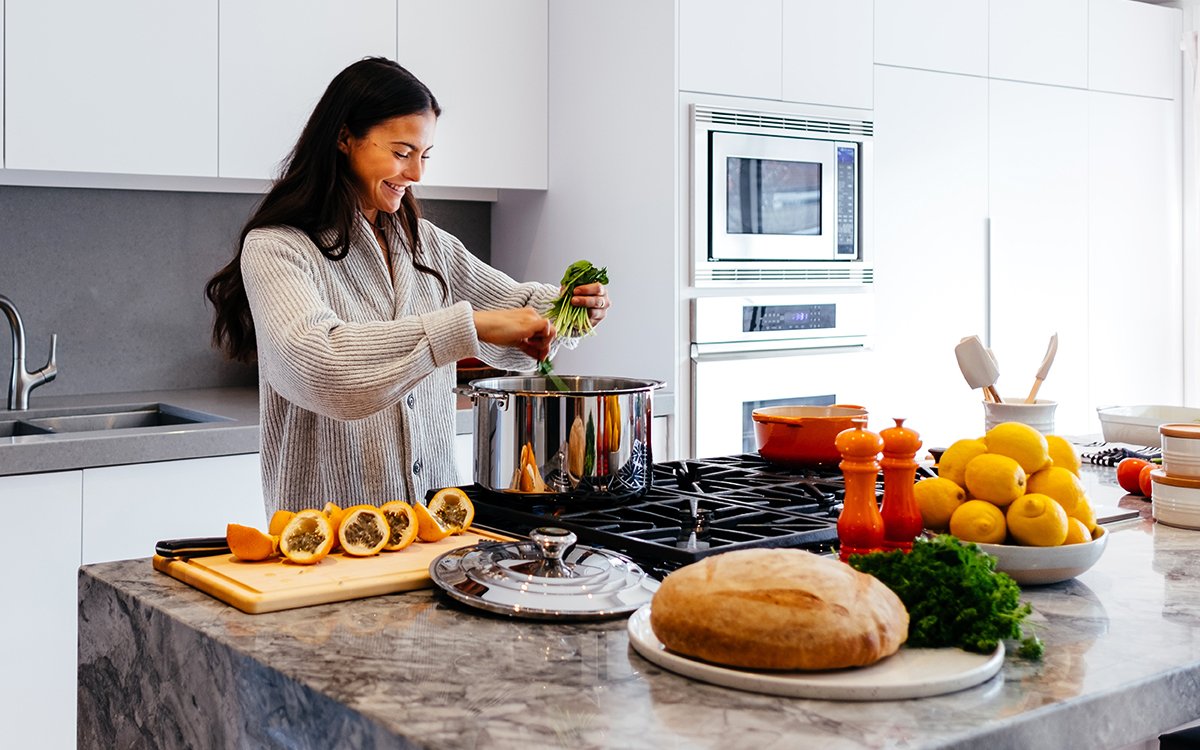
Imagine this: you’re in your kitchen, chopping vibrant vegetables, the aroma of fresh herbs filling the air, and you’re not just cooking dinner—you’re crafting a longer, healthier life. I’ve always believed that food is more than fuel; it’s medicine, joy, and a way to connect with those we love. My grandmother, who lived to 94, swore by her simple Mediterranean-inspired meals, and I’m convinced her daily ritual of cooking with whole foods kept her spry well into her later years. In this article, we’ll explore how cooking for longevity can transform your health, backed by science, practical tips, and a sprinkle of personal insight to make it relatable and fun. Let’s dive into the art and science of eating for a longer, vibrant life.
Why Cooking for Longevity Matters
Cooking for longevity isn’t about chasing fads or restrictive diets—it’s about embracing nutrient-dense foods and mindful preparation to support a healthier, longer life. Research shows that diets rich in whole foods, like those in Blue Zones (regions where people live past 100), can reduce chronic disease risk and extend life expectancy by up to 10 years. By focusing on how we cook and what we eat, we can nurture our bodies and savor every bite along the way.
The Science Behind Longevity Diets
Studies, like one from the Journal of Internal Medicine (2023), highlight that diets such as the Mediterranean, DASH, and plant-based patterns promote healthy aging by reducing inflammation and oxidative stress. These diets emphasize whole grains, legumes, fruits, vegetables, and healthy fats, which fuel our cells and protect against diseases like heart disease and diabetes. Cooking methods, like steaming or grilling, also play a role in preserving nutrients, making your kitchen a laboratory for health.
My Journey to Healthier Cooking
When I started cooking with longevity in mind, I was overwhelmed—too many “superfoods,” too little time. But I learned from my mistakes, like overcooking broccoli until it was mush or drowning dishes in salt. Slowly, I embraced simple recipes, like a roasted vegetable medley with olive oil and rosemary, which became a family favorite. It’s not about perfection; it’s about progress and enjoying the process.
Key Ingredients for a Longevity-Focused Kitchen
To cook for longevity, start with ingredients that pack a nutritional punch. These foods aren’t just tasty—they’re backed by research for their anti-aging benefits. Here’s a rundown of must-haves for your pantry and fridge.
Colorful Fruits and Vegetables
Fruits and veggies, especially those rich in antioxidants like berries, spinach, and sweet potatoes, fight free radicals that accelerate aging. A 2025 Nature Medicine study found that higher adherence to plant-based diets increased the odds of healthy aging by up to 86%. Toss a handful of blueberries into your morning smoothie or sauté spinach with garlic for a quick, nutrient-packed side.
Whole Grains and Legumes
Quinoa, farro, lentils, and black beans are fiber-rich powerhouses that support gut health and stabilize blood sugar. The UK Biobank study (2023) noted that eating more whole grains correlates with a 10.8-year life expectancy gain for men. Swap white rice for brown or try a hearty lentil soup to keep things simple yet satisfying.
Healthy Fats
Olive oil, avocados, and nuts like walnuts provide monounsaturated fats that support heart health. Harvard’s 30-year study (2025) recommends using olive oil for dressings and avocado oil for cooking due to its high smoke point. Drizzle olive oil over a salad or mash avocado onto whole-grain toast for a quick, heart-healthy meal.
Herbs and Spices
Turmeric, garlic, and rosemary aren’t just flavor boosters—they’re longevity superstars. Turmeric’s curcumin reduces inflammation, while garlic supports heart health. My go-to is a turmeric-spiced chickpea stew, which warms the soul and keeps inflammation at bay. Experiment with fresh herbs to elevate any dish without extra salt.
Cooking Methods That Maximize Nutrition
How you cook is as important as what you cook. Certain methods preserve nutrients better, ensuring you get the most out of your ingredients. Here’s a quick guide to longevity-friendly cooking techniques.
Steaming for Nutrient Retention
Steaming vegetables like broccoli or carrots preserves water-soluble vitamins like vitamin C. A 2025 EatingWell article noted that cooked spinach delivers four times more fiber than raw. Steam your greens lightly and toss with a lemon-tahini dressing for a nutrient-packed side.
Grilling for Flavor Without Fat
Grilling fish or veggies adds smoky flavor without heavy oils. The NOVOS Longevity Diet (2025) recommends grilling salmon to retain omega-3s. I love grilling zucchini with a sprinkle of rosemary—it’s simple, delicious, and keeps the kitchen cool on summer nights.
Baking for Even Cooking
Baking root vegetables or fish ensures even cooking without nutrient loss. Try baking sweet potatoes with a dash of cinnamon for a sweet, fiber-rich dish. It’s a low-effort way to make vegetables the star of your meal.
Comparison: Longevity Diets vs. Standard Diets
| Diet Type | Key Foods | Benefits | Drawbacks |
|---|---|---|---|
| Mediterranean | Olive oil, fish, vegetables, whole grains | Heart health, reduced inflammation | Can be costly for fresh seafood |
| Plant-Based | Legumes, nuts, fruits, vegetables | Lower cancer risk, gut health | Requires B12 supplementation |
| Standard Western | Processed foods, red meat, sugary drinks | Convenient, widely available | High in unhealthy fats, low nutrients |
Pros and Cons of Longevity Diets
Pros:
- Reduces risk of chronic diseases like heart disease and diabetes.
- Promotes gut health with fiber-rich foods.
- Sustainable and adaptable to various cultures.
Cons:
- Requires planning to avoid nutrient deficiencies (e.g., B12 in vegan diets).
- Fresh ingredients can be pricier in some regions.
- Learning new cooking methods takes time.
Practical Tips for Cooking for Longevity
Adopting a longevity-focused kitchen doesn’t mean overhauling your life overnight. Here are actionable tips to get started, inspired by my own trial and error.
- Stock a Smart Pantry: Keep staples like quinoa, canned beans (low-sodium), and frozen berries on hand. They’re versatile and save time on busy nights.
- Batch Prep: Roast a tray of mixed vegetables on Sunday to use in salads, wraps, or grain bowls throughout the week.
- Invest in Tools: A sharp chef’s knife and non-stick cookware make prep easier and cooking more enjoyable.
- Experiment Weekly: Try one new recipe, like a Korean-inspired mung bean pancake (Plant Based News, 2025), to keep things exciting.
- Shop Local: Farmers’ markets offer fresh, seasonal produce that’s often cheaper and tastier than supermarket options.
Sample Longevity Recipe: Turmeric-Spiced Chickpea Stew
This recipe is my go-to for a cozy, nutrient-packed meal. It’s vegan, budget-friendly, and ready in under 30 minutes.
Ingredients (Serves 4):
- 1 tbsp olive oil
- 1 onion, diced
- 2 garlic cloves, minced
- 1 tsp ground turmeric
- 1 can (15 oz) chickpeas, drained
- 1 can (14 oz) diced tomatoes
- 2 cups spinach
- 1 cup vegetable broth
- Salt and pepper to taste
Instructions:
- Heat olive oil in a pot over medium heat. Sauté onion and garlic until soft (about 5 minutes).
- Add turmeric, stirring for 30 seconds to release its aroma.
- Stir in chickpeas, tomatoes, and broth. Simmer for 15 minutes.
- Add spinach, cook until wilted (2 minutes). Season with salt and pepper.
- Serve with quinoa or whole-grain bread.
This stew is a fiber and antioxidant powerhouse, perfect for a weeknight dinner that supports longevity.
People Also Ask (PAA) Section
What foods promote longevity?
Foods like leafy greens, berries, whole grains, legumes, nuts, and olive oil are linked to longer life due to their high fiber, antioxidants, and healthy fats. Diets like the Mediterranean and plant-based emphasize these for their anti-inflammatory benefits.
How does cooking affect nutrient content?
Cooking methods like steaming preserve nutrients better than boiling, which can leach vitamins. Grilling or baking retains flavor and nutrients, especially for vegetables and fish, while frying adds unhealthy fats.
Can a vegan diet support longevity?
Yes, vegan diets rich in whole foods like legumes and greens can promote longevity by reducing inflammation and chronic disease risk. Ensure adequate B12 and omega-3s through supplements or fortified foods.
Where can I find longevity-focused recipes?
Websites like Cooking for Peanuts and Meals for Longevity offer plant-based and Mediterranean-inspired recipes. Cookbooks like The How Not to Age Cookbook provide science-backed meal ideas.
FAQ Section
Q: What’s the best diet for longevity?
A: Diets like the Mediterranean, DASH, and plant-based are top choices, focusing on whole foods, healthy fats, and minimal processed items. They reduce chronic disease risk and support healthy aging.
Q: How can I make cooking for longevity affordable?
A: Buy in bulk (e.g., grains, legumes), shop at farmers’ markets, and use frozen produce. Batch cooking saves time and money, like making a big pot of lentil soup for the week.
Q: Are there quick longevity recipes for busy people?
A: Yes! Try smoothies with spinach and berries or a 15-minute chickpea salad with olive oil dressing. Websites like RealSimple offer quick, nutrient-dense recipes.
Q: Do I need special tools to cook for longevity?
A: Basic tools like a sharp knife, non-stick pan, and steamer basket are enough. A blender for smoothies or soups is a bonus but not essential.
Where to Get Longevity-Focused Ingredients and Tools
- Farmers’ Markets: Fresh, seasonal produce at lower costs. Check local listings for markets near you.
- Online Retailers: Amazon carries staples like quinoa, olive oil, and spices. Look for brands like Bob’s Red Mill for quality grains.
- Kitchen Tools: Invest in a chef’s knife (e.g., Victorinox) or a non-stick skillet from brands like GreenPan, available at Target or Walmart.
Final Thoughts
Cooking for longevity is like planting a garden—you nurture it with care, and it blooms into a healthier, happier you. My grandmother’s kitchen taught me that simple ingredients, prepared with love, can work wonders. Start small, maybe with a spinach smoothie or a grilled salmon fillet, and let the flavors inspire you. By choosing whole foods, mindful cooking methods, and a dash of creativity, you’re not just making meals—you’re building a life full of vitality. What’s your first longevity recipe going to be? Share in the comments, and let’s cook our way to a healthier future together.
Sources: