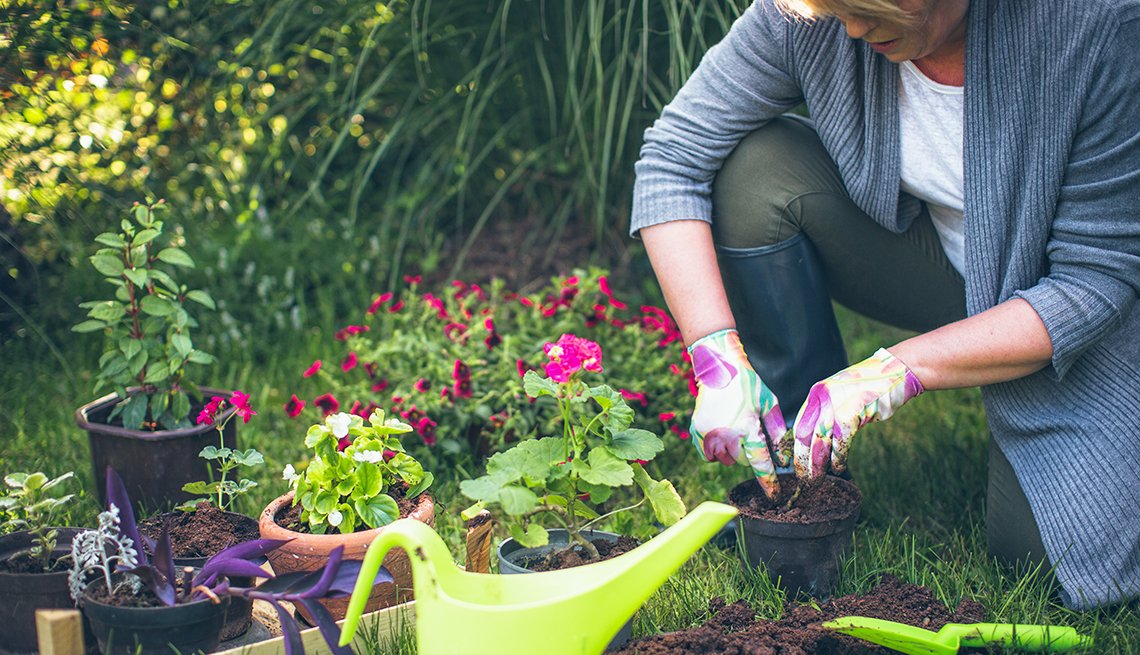
Gardening is more than just a hobby—it’s a nurturing, grounding activity that can transform your physical and mental well-being. Imagine sinking your hands into cool, rich soil, feeling the sun on your face, and watching tiny seeds grow into vibrant plants. Whether you’re tending a sprawling backyard garden or a few pots on a balcony, the act of gardening offers a surprising array of health benefits. Backed by science and sprinkled with personal stories, this article dives into five powerful ways gardening can boost your health, from strengthening your body to soothing your mind. Let’s dig in!
Physical Exercise That Feels Like Play
Gardening is a full-body workout disguised as a joyful pastime. From digging and weeding to carrying bags of soil, it engages muscles you didn’t know you had. Unlike the monotony of a treadmill, gardening feels purposeful, making exercise enjoyable.
A Calorie-Burning Adventure
Studies show gardening can burn as many calories as a gym session—up to 300 calories per hour for tasks like digging or raking. A 2023 study in The Lancet Planetary Health found gardeners logged about 40 extra minutes of moderate-to-vigorous exercise weekly compared to non-gardeners. My neighbor, Sarah, swears her sore muscles after planting her vegetable patch are proof of a workout well done.
Building Strength and Flexibility
Gardening tasks like squatting to weed or lifting pots improve strength and flexibility. For older adults, these movements help prevent osteoporosis by stimulating bone health. Dr. Deborah Benzil, a neurosurgeon, notes that gardening’s weight-bearing activities strengthen bones in ways swimming or cycling can’t.
Adapting for All Abilities
Even if mobility is a challenge, gardening is adaptable. Raised beds or small pots make it accessible for those with back pain or limited movement. Using lightweight tools or a stool can turn gardening into a low-impact, high-reward exercise.
Mental Health Boost Through Nature’s Magic
Gardening is a balm for the mind, reducing stress and lifting mood. Tending plants in a green space feels like hitting a reset button on life’s chaos. It’s no wonder doctors in places like Canada prescribe “nature time” for mental health.
Stress Relief in the Soil
Research shows that gardening lowers cortisol levels, the stress hormone. A 2022 study in Urban Forestry & Urban Greening found that gardening during the COVID-19 pandemic reduced stress and boosted nature connection. I remember my own evenings spent weeding after long workdays—each pull felt like shedding a worry.
A Mindfulness Practice
Gardening encourages mindfulness by anchoring you in the moment. Focusing on the texture of leaves or the rhythm of watering can quiet racing thoughts. Emmy Feeler, a nurse practitioner at UT Health Austin, explains that this connection to nature boosts serotonin, the “happy chemical,” easing anxiety.
Cognitive Benefits for Life
Gardening may even protect your brain. A 2006 study from the University of New South Wales found daily gardeners had a 36% lower risk of dementia. The planning and problem-solving involved keep your mind sharp, like a mental workout disguised as planting roses.
Nutrient-Rich Food for a Healthier Diet
Growing your own food doesn’t just feed your soul—it feeds your body with fresh, nutrient-packed produce. Homegrown fruits and vegetables are often healthier than store-bought, and gardeners tend to eat more of them.
From Garden to Plate
A 2023 study in The Lancet Planetary Health showed gardeners ate about two more grams of fiber daily than non-gardeners, a 7% increase. My friend Mark, who grows tomatoes and zucchini, says his family’s meals are now bursting with flavor and nutrition, cutting down on processed foods.
Control Over What You Eat
Gardening lets you skip pesticides and additives common in commercial produce. Sylvia Deily, a chiropractor at UT Health Austin, notes that homegrown produce is free from preservatives, supporting better overall health. You decide what goes into your soil and, ultimately, your body.
A Boost for Food Security
Community gardens, like those supported by Colorado State University’s Grow and Give program, donated over 55,000 pounds of food in 2021. These efforts not only improve diets but also ensure access to fresh produce in urban and rural areas alike.
Social Connections That Warm the Heart
Gardening brings people together, fostering bonds that boost emotional well-being. Whether it’s swapping tips with neighbors or joining a community garden, it creates a sense of belonging.
Building Community Ties
Community gardens are hubs for social interaction. A 2017 study in International Journal of Environmental Research and Public Health found gardening increased social integration and life satisfaction. I’ve seen this firsthand at my local garden club, where strangers become friends over shared seedlings.
Sharing Knowledge and Plants
Gardeners love to share—whether it’s extra zucchini or hard-earned wisdom. Master Gardener programs, like those at Colorado State University, connect volunteers who educate others, creating a ripple effect of community support. My aunt once traded her extra herbs for a neighbor’s lavender, sparking a lasting friendship.
Reducing Loneliness
For older adults or those living alone, gardening can combat isolation. Emmy Feeler highlights that joining gardening groups fosters a sense of pride and belonging, reducing loneliness and boosting mental stimulation through skill-sharing.
Immune System Support Through Nature’s Microbes
Gardening exposes you to beneficial microbes in the soil, which can strengthen your immune system. It’s like a natural vaccine, delivered through dirt under your fingernails.
Soil Microbes as Allies
Soil contains microbes like Mycobacterium vaccae, which studies suggest can enhance immune function and even reduce depression. UT Health Austin’s Sylvia Deily notes that working in soil exposes you to these beneficial bacteria, supporting overall health.
Vitamin D from Sunshine
Gardening gets you outdoors, boosting vitamin D levels through sunlight exposure. This vitamin supports immune health, bone strength, and even mood regulation. Just 15–30 minutes of gardening on a sunny day can make a difference, though don’t forget sunscreen!
A Natural Defense Against Allergies
Regular exposure to soil and plants may reduce allergy severity over time by training your immune system. My cousin, who used to sneeze through spring, swears her allergies eased after a season of tending her flowerbeds.
Comparing Gardening to Other Activities
| Activity | Physical Benefits | Mental Benefits | Social Benefits | Cost |
|---|---|---|---|---|
| Gardening | Moderate exercise, flexibility, bone health | Stress relief, mindfulness, cognitive protection | Community bonding, skill-sharing | Low |
| Gym Workouts | High-intensity exercise, muscle building | Endorphin boost, discipline | Limited unless in group classes | High |
| Walking/Hiking | Cardio, low-impact exercise | Stress reduction, nature exposure | Moderate, depends on group | Low |
| Yoga | Flexibility, balance | Mindfulness, stress relief | Moderate in classes | Moderate |
Gardening stands out for its blend of physical, mental, and social benefits at a low cost. Unlike gym workouts, it’s accessible to all ages and abilities, and the added perk of fresh produce makes it uniquely rewarding.
Pros and Cons of Gardening for Health
Pros
- Combines exercise, mental health benefits, and social interaction.
- Produces fresh, nutrient-rich food.
- Accessible with minimal equipment (e.g., pots, seeds).
- Supports immune health through soil microbes and sunlight.
Cons
- Can cause muscle soreness if not done mindfully.
- Requires time and patience for results.
- Weather or space limitations may restrict access.
- Potential for minor injuries (e.g., cuts, sunburn).
People Also Ask (PAA)
How does gardening improve mental health?
Gardening reduces stress by lowering cortisol levels and promotes mindfulness through focused tasks. Studies show it can decrease anxiety and depression while boosting serotonin. It also fosters social connections, reducing loneliness.
Is gardening good exercise?
Yes, gardening is moderate-intensity exercise, burning up to 300 calories per hour. Tasks like digging, weeding, and carrying soil improve strength, flexibility, and bone health, making it a great workout for all ages.
Can gardening boost your immune system?
Gardening exposes you to soil microbes like Mycobacterium vaccae, which may strengthen immunity. Sunlight exposure increases vitamin D, further supporting immune health and overall well-being.
What are the best plants for beginners to grow?
Start with low-maintenance plants like tomatoes, herbs (basil, mint), or marigolds. These are forgiving, grow quickly, and thrive in pots or small spaces, perfect for novice gardeners.
FAQ Section
Q: How much time should I spend gardening to see health benefits?
A: Even 30 minutes a few times a week can yield benefits. Studies suggest 40–60 minutes weekly of moderate gardening boosts physical and mental health significantly.
Q: Do I need a big space to start gardening?
A: No! You can garden in pots, vertical planters, or community plots. Even a windowsill with herbs or a balcony with vegetables works for small spaces.
Q: What tools do I need to start gardening?
A: Basic tools include a trowel, gloves, pruning shears, and a watering can. For beginners, a starter kit like the Gardener’s Supply Company Basic Tool Set is affordable and reliable.
Q: Can gardening help with chronic conditions?
A: Yes, gardening can improve mental health in chronic conditions like depression, as shown in a 2025 meta-analysis. It also supports physical health by increasing activity and reducing stress.
Q: Where can I find local gardening communities?
A: Check Master Gardener programs or local garden centers. Websites like Meetup often list gardening groups in your area.
Getting Started: Your First Steps in Gardening
Ready to reap these health benefits? Start small: choose a few easy-to-grow plants like lettuce or zinnias. Visit a local nursery or online stores like Burpee for seeds and tools. If space is tight, try container gardening—pots are perfect for balconies or patios. Join a community garden through programs like American Community Gardening Association to connect with others and learn hands-on. The key is consistency: a little time each week can transform your health and your backyard.
Conclusion: Plant a Seed, Grow Your Health
Gardening is a gift that keeps giving—stronger muscles, a calmer mind, better nutrition, deeper connections, and a boosted immune system. It’s not just about growing plants; it’s about growing a healthier you. My own garden, a modest patch of herbs and flowers, has become my sanctuary, teaching me patience and resilience with every sprout. Whether you’re a beginner or a seasoned green thumb, pick up a trowel and start digging. Your body and soul will thank you.