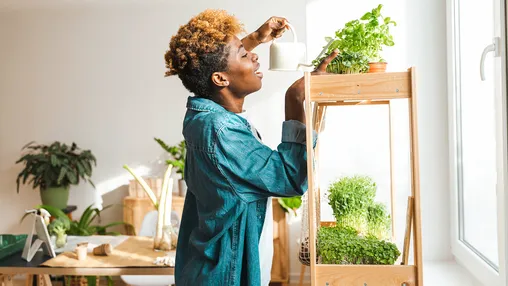
Imagine sinking your hands into cool, crumbly soil, the earthy scent filling your lungs as you plant a tiny seed that holds the promise of life. Gardening is more than a hobby—it’s a pathway to better health, a quiet rebellion against the chaos of modern life. Whether you’re tending a sprawling backyard garden or nurturing a few herbs on a sunny windowsill, the act of planting connects you to nature in a way that nourishes both body and soul. In this article, we’ll dig into five science-backed health benefits of gardening and planting, weaving in real stories, practical tips, and a sprinkle of humor to make your journey into the garden as rewarding as the harvest itself.
Physical Exercise: A Workout That Doesn’t Feel Like One
Why Gardening Counts as Exercise
Gardening is like sneaking a workout into your day while pretending you’re just playing in the dirt. Digging, weeding, and hauling bags of compost engage major muscle groups, providing moderate-intensity exercise that rivals a gym session. A 2022 study from Colorado State University found that gardening tasks like digging and watering increase heart rate and metabolism, reducing the risk of cardiovascular disease and diabetes.
How It Benefits Your Body
Picture this: my neighbor, Tom, a retired teacher, transformed his backyard into a vegetable patch last spring. At 65, he wasn’t keen on jogging, but he loved tending his tomatoes. By summer, he’d lost 10 pounds and was moving with a spring in his step, all from shoveling soil and pruning plants. Gardening burns calories—about 200–400 per hour for tasks like weeding or planting—while improving strength, flexibility, and balance. It’s functional fitness that mimics squats, lunges, and deadlifts, but with the bonus of fresh air and no gym membership required.
Practical Tips to Maximize Physical Benefits
To make gardening a full-body workout, vary your tasks: rake leaves one day, dig beds the next. Use ergonomic tools to reduce strain, and don’t skip stretching before a long session. Here’s a quick breakdown of calorie-burning activities:
| Activity | Calories Burned per Hour | Muscles Worked |
|---|---|---|
| Digging | 300–400 | Core, arms, legs |
| Weeding | 200–300 | Back, shoulders, core |
| Watering/Planting | 150–200 | Arms, legs, balance |
Pro Tip: If you’re new to gardening, start small to avoid overexertion. A raised garden bed can reduce bending and make tasks easier on your joints.
Mental Health Boost: Stress Relief Through Soil
Gardening as a Stress-Buster
Ever feel like the world’s moving too fast? Gardening invites you to slow down, breathe deeply, and focus on the present. A 2016 meta-analysis published in Preventative Medicine Reports found that gardening significantly reduces depression and anxiety symptoms while boosting life satisfaction. The rhythmic tasks—like planting seeds or pulling weeds—create a soothing routine that calms the mind.
A Personal Story of Calm
Last year, during a particularly hectic work-from-home period, I started a small herb garden on my balcony. After long Zoom calls, I’d step outside to water my basil and mint, and within minutes, my racing thoughts would settle. There’s something meditative about watching a seedling unfurl, like nature’s gentle reminder that growth takes time. Research supports this: gardening lowers cortisol levels, the stress hormone, and promotes mindfulness, helping you stay grounded in the moment.
How to Use Gardening for Mental Wellness
To amplify the mental health benefits, try these:
- Create a routine: Water or weed at the same time daily to build structure.
- Engage your senses: Smell the herbs, feel the soil, listen to birds.
- Start small: A few potted plants can be just as therapeutic as a large garden.
Con: Gardening can be time-consuming, and a failed crop might stress you out if you’re a perfectionist. Be patient—nature doesn’t rush.
Social Connection: Growing Community Alongside Plants
Why Gardening Builds Bonds
Gardening isn’t just about plants—it’s about people, too. Community gardens and shared plots foster friendships and a sense of belonging. A 2025 study in BMC Public Health noted that gardening increases social participation, especially for those with chronic conditions, by creating opportunities to connect with others.
A Community Garden Success Story
Take Sarah, a single mom I met at a local community garden. She joined to grow fresh veggies for her kids but found something more: a network of gardeners who swapped tips, shared extra produce, and even threw a harvest party. “It’s like I gained a second family,” she told me, grinning as she handed me a zucchini. Studies show that these social interactions reduce loneliness and improve mental health, particularly during isolating times like the COVID-19 pandemic.
Ways to Connect Through Gardening
- Join a local gardening club or community garden.
- Share your harvest with neighbors to spark conversations.
- Follow gardening groups on social media for tips and camaraderie.
Pro Tip: Look for “Master Gardener” programs in your area—they’re often run by universities and connect you with expert volunteers eager to share knowledge.
Improved Nutrition: From Garden to Plate
How Gardening Enhances Your Diet
Growing your own food means fresher, nutrient-rich produce on your table. A 2021 Colorado State University program, Grow and Give, showed that community gardeners ate more fruits and vegetables, improving overall nutrition. Home-grown veggies like kale or tomatoes are packed with vitamins and free from the pesticides often found in store-bought options.
My Journey to Healthier Eating
I’ll admit, I used to grab takeout more than I’d like. But last summer, I planted a small raised bed with lettuce, peppers, and cherry tomatoes. Suddenly, I was tossing fresh salads daily, and my grocery bill shrank. There’s a pride in eating what you’ve grown—it’s like a high-five from nature. Plus, gardening encourages you to try new veggies, expanding your palate and boosting your intake of fiber, vitamins, and antioxidants.
Best Crops for Nutrition
Here’s a quick comparison of nutrient-packed plants to grow:
| Crop | Key Nutrients | Ease of Growing |
|---|---|---|
| Kale | Vitamins A, C, K; antioxidants | Easy |
| Tomatoes | Vitamin C, lycopene | Moderate |
| Spinach | Iron, folate, vitamin A | Easy |
Transactional Tip: Invest in quality seeds from reputable suppliers like Burpee or Johnny’s Selected Seeds for the best yield. Check local nurseries for starter plants if you’re short on time.
Cognitive Benefits: Sharpening Your Mind Through Nature
Gardening as Brain Food
Gardening isn’t just good for your body—it’s a workout for your brain. A 2018 study in Clinical Medicine found that gardening is associated with a lower prevalence of dementia, thanks to the mental stimulation of planning, problem-solving, and learning plant care.
A Tale of Learning and Growth
My grandmother, at 82, still tends her flower garden, meticulously tracking bloom times and soil pH. She swears it keeps her sharp, and science backs her up: gardening engages memory, attention, and creativity. Last year, when I helped her prune her roses, she taught me about soil microbes while reciting poetry—a reminder that gardening is as much about nurturing the mind as it is about nurturing plants.
How to Boost Cognitive Health
- Plan your garden: Sketch layouts or research plant needs to engage problem-solving skills.
- Learn new techniques: Try composting or companion planting to keep your brain active.
- Keep a journal: Track your garden’s progress to boost memory.
Con: Gardening can be overwhelming if you take on too much. Start with low-maintenance plants like marigolds or radishes to build confidence.
People Also Ask (PAA) Section
What are the mental health benefits of gardening?
Gardening reduces stress, anxiety, and depression by lowering cortisol levels and promoting mindfulness. It offers a sense of accomplishment and routine, which can stabilize mood. A 2016 meta-analysis found significant improvements in mental health among gardeners.
Is gardening good exercise?
Yes, gardening provides moderate-intensity exercise, burning 200–400 calories per hour. Tasks like digging and weeding improve strength, flexibility, and balance, making it a great alternative to traditional workouts.
Can gardening improve nutrition?
Growing your own food increases access to fresh, nutrient-rich produce, encouraging healthier eating habits. Studies show gardeners consume more fruits and vegetables, boosting vitamin and fiber intake.
How does gardening help social connections?
Gardening in community settings fosters friendships and reduces loneliness. Sharing produce or joining gardening clubs creates bonds, as seen in programs like Colorado’s Grow and Give.
FAQ Section
Q: Do I need a big yard to start gardening?
A: Not at all! You can grow herbs, microgreens, or even vertical gardens on a balcony or windowsill. Start with containers or raised beds if space is limited.
Q: What are the best tools for beginner gardeners?
A: Invest in a sturdy trowel, pruning shears, and ergonomic gloves. Brands like Fiskars and Felco offer durable, beginner-friendly options. Check local garden centers or online retailers like Amazon for deals.
Q: How much time does gardening take?
A: It depends on your setup. A small container garden might need 1–2 hours per week, while a larger plot could take 5–10 hours. Start small to fit it into your schedule.
Q: Can gardening really reduce stress?
A: Absolutely. Studies show gardening lowers cortisol and promotes mindfulness, helping you feel calmer. Even 30 minutes of weeding or watering can make a difference.
Q: Where can I learn more about gardening?
A: Check out resources like the Royal Horticultural Society or your local Master Gardener program. YouTube channels like Garden Answer offer practical, beginner-friendly tips.
Conclusion: Plant a Seed, Grow a Healthier You
Gardening is more than a pastime—it’s a holistic health booster that strengthens your body, calms your mind, connects you with others, improves your diet, and sharpens your brain. Whether you’re coaxing a tomato to ripen or tending a single potted basil, every moment in the garden is a step toward wellness. So, grab a trowel, plant a seed, and watch how it transforms not just your backyard but your life. Ready to start? Visit your local nursery or check out Burpee for seeds and inspiration. Here’s to dirty hands and a healthier you!