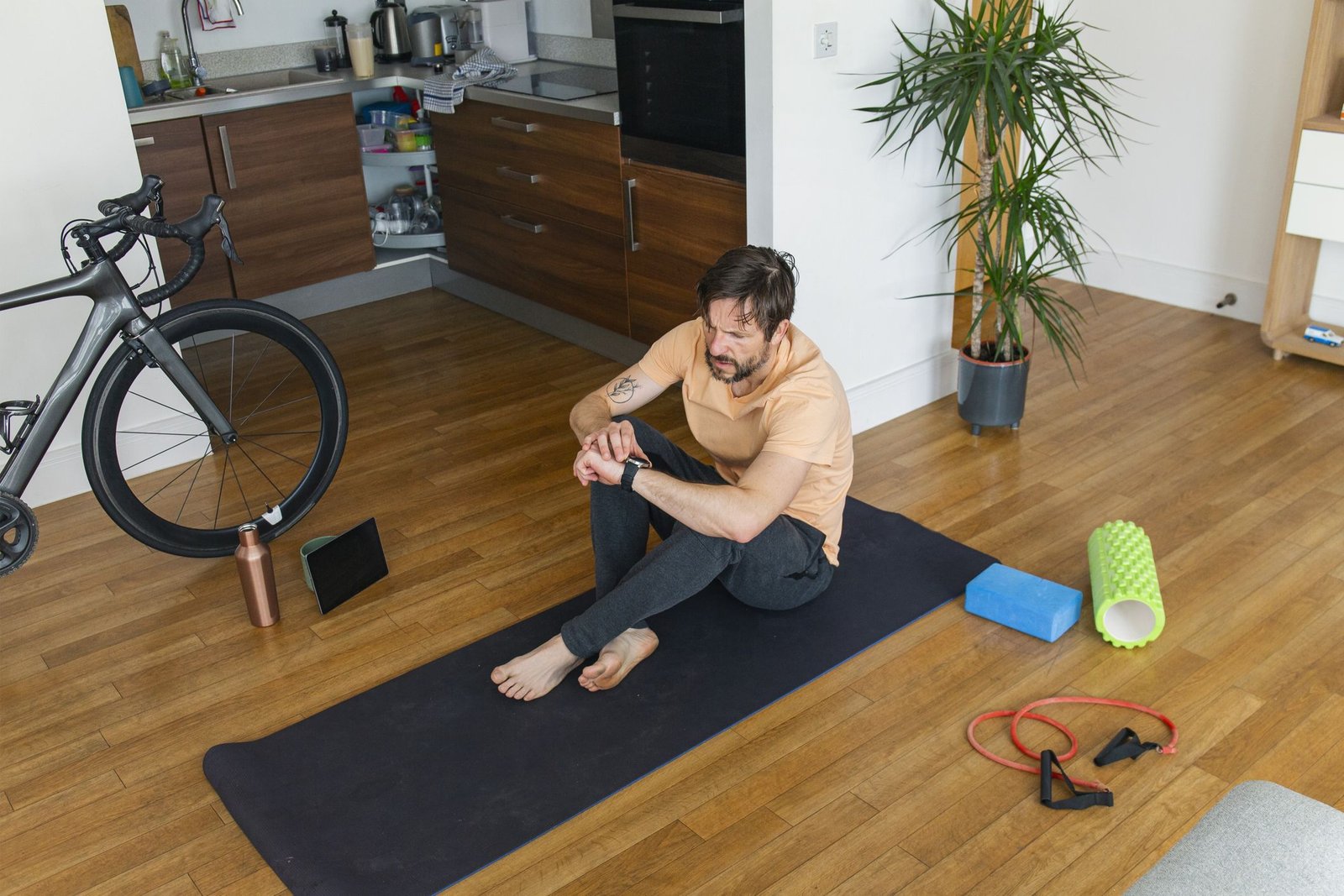
Cycling is more than just a fun way to get around—it’s a fantastic exercise that gets your heart pumping and your legs moving. But does it specifically target that stubborn belly fat we all want to lose? Let’s dive into the science, sprinkle in some real-life stories, and explore expert insights to answer this burning question. Whether you’re a casual rider or dreaming of crushing it on a peloton, this guide will help you understand how cycling fits into your fat-loss journey.
The Science Behind Belly Fat and Exercise
Belly fat, or visceral fat, isn’t just about aesthetics—it’s a health concern. Stored deep within the abdominal cavity, it surrounds vital organs and is linked to risks like heart disease and diabetes. Exercise, like cycling, can help reduce it, but the process isn’t as simple as targeting one area. Let’s break it down.
What Is Visceral Fat?
Visceral fat is the sneaky fat that hides beneath your abs, wrapping around organs like your liver and pancreas. Unlike subcutaneous fat (the pinchable kind), it’s metabolically active and can disrupt your body’s balance. Reducing it requires a calorie deficit, and cycling can be a powerful tool to achieve that.
How Does Exercise Burn Fat?
When you exercise, your body burns calories from stored energy—carbohydrates, fats, and sometimes protein. Cycling, being a cardiovascular exercise, primarily taps into fat stores during longer, moderate sessions. However, spot reduction (losing fat in one specific area) is a myth; your body decides where fat comes off first.
Can Cycling Specifically Target Belly Fat?
The short answer? Not exactly—but don’t ditch your bike yet! Cycling burns calories, which contributes to overall fat loss, including in the belly. Experts like Dr. John Ratey, a Harvard psychiatrist and exercise researcher, emphasize that aerobic exercises like cycling boost metabolism and improve insulin sensitivity, indirectly reducing visceral fat.
Why Cycling Works for Fat Loss
Cycling is a low-impact, high-calorie-burning exercise that suits all fitness levels. A 155-pound person can burn around 300–600 calories per hour, depending on intensity. Over time, this calorie deficit chips away at fat stores, including the belly. Plus, it’s fun, which means you’re more likely to stick with it.
The Role of Consistency
Consistency is key to seeing results. Take Sarah, a 34-year-old mom who started cycling to work three times a week. After six months, she lost 15 pounds, including noticeable inches off her waistline. Her secret? Combining cycling with a balanced diet and staying patient. Slow and steady wins the race—literally.
Benefits of Cycling for Fat Loss
Cycling isn’t just about burning calories; it’s a full-body experience that offers multiple perks. Here’s why it’s a fantastic choice for tackling belly fat and improving overall health:
- Low-Impact Exercise: Easy on the joints, perfect for beginners or those with injuries.
- Boosts Metabolism: Regular cycling increases your resting metabolic rate, burning more calories even when you’re Netflix-ing.
- Improves Heart Health: Cardio from cycling strengthens your heart, reducing visceral fat’s harmful effects.
- Mental Health Perks: Cycling releases endorphins, reducing stress-eating triggers.
- Customizable Intensity: From leisurely rides to intense sprints, you control the burn.
Cycling vs. Other Cardio: A Comparison
How does cycling stack up against other popular exercises for fat loss? Let’s compare:
| Exercise | Calories Burned (1 hr, 155 lbs) | Impact Level | Accessibility |
|---|---|---|---|
| Cycling | 300–600 | Low | High (bikes, trails, stationary) |
| Running | 400–700 | High | Moderate (needs good shoes, surface) |
| Swimming | 350–600 | Low | Low (requires pool access) |
| Jump Rope | 500–800 | High | High (affordable, portable) |
Cycling shines for its accessibility and joint-friendly nature, making it ideal for long-term fat-loss goals.
Types of Cycling for Maximum Fat Burn
Not all cycling is created equal. The type and intensity of your rides can make a big difference in how much fat you burn. Let’s explore the options.
Steady-State Cycling
This is your classic, moderate-paced ride—think cruising through the park or along a bike path. It’s great for beginners and burns fat by keeping you in the “fat-burning zone” (60–70% of your max heart rate). Aim for 45–60 minutes, 3–5 times a week.
High-Intensity Interval Training (HIIT) Cycling
HIIT involves short bursts of all-out effort followed by rest periods. For example, sprint for 30 seconds, then pedal slowly for a minute. A 2020 study in Medicine & Science in Sports & Exercise found HIIT cycling burns more calories in less time and boosts post-exercise fat burning. Try 20–30 minutes, 2–3 times a week.
Indoor vs. Outdoor Cycling
Indoor cycling (like spin classes or stationary bikes) offers controlled environments and guided workouts, perfect for HIIT. Outdoor cycling adds fresh air and scenery, which can boost motivation. Both are effective—choose what fits your lifestyle.
Pros and Cons of Cycling for Belly Fat Loss
Like any exercise, cycling has its strengths and limitations. Here’s a quick breakdown:
Pros:
- Burns significant calories without joint stress.
- Fun and versatile (roads, trails, or gym).
- Builds leg strength, improving overall fitness.
- Scalable for all fitness levels.
Cons:
- Doesn’t directly target belly fat (no exercise does).
- Requires equipment (bike, helmet, or gym membership).
- Results take time and consistency.
- Weather can limit outdoor rides.
Combining Cycling with Diet for Better Results
Cycling alone won’t melt belly fat if your diet isn’t in check. Nutrition plays a massive role in creating the calorie deficit needed for fat loss. Meet Tom, a 40-year-old accountant who cycled daily but saw no change in his waistline until he cut out sugary drinks and added more veggies. In three months, he dropped 10 pounds and felt stronger than ever.
Key Dietary Tips for Cyclists
- Prioritize Protein: Supports muscle repair and keeps you full (e.g., eggs, chicken, lentils).
- Watch Carbs: Fuel rides with complex carbs like oats or sweet potatoes, but avoid overdoing it.
- Hydrate: Water aids metabolism and prevents fatigue.
- Timing Matters: A light snack before a ride (like a banana) boosts energy, while post-ride protein aids recovery.
For more nutrition tips, check out Harvard Health’s guide to healthy eating.
People Also Ask (PAA)
Here are real questions from Google’s “People Also Ask” section, answered concisely:
Does Cycling Burn Belly Fat Fast?
Cycling burns calories, which contributes to belly fat loss over time, but “fast” depends on consistency, intensity, and diet. Expect gradual results—think months, not weeks.
Is 30 Minutes of Cycling a Day Enough?
Yes, 30 minutes of moderate cycling daily can burn 150–300 calories, supporting fat loss when paired with a balanced diet. For faster results, try HIIT or longer rides.
Which Is Better for Belly Fat: Cycling or Running?
Both are effective, but cycling is lower-impact, making it easier to sustain. Running burns slightly more calories per hour, but consistency matters more than the exercise type.
Can Indoor Cycling Reduce Belly Fat?
Absolutely! Indoor cycling, like spin classes, burns as many calories as outdoor rides and is great for HIIT, which boosts fat loss.
Tools and Resources for Cyclists
To maximize your cycling journey, consider these tools and resources:
- Bikes: Entry-level road bikes (e.g., Trek Domane, ~$1,000) or stationary bikes (e.g., Peloton, ~$1,500) suit most budgets. Find deals at REI.
- Apps: Strava tracks rides and calories; Zwift offers virtual cycling worlds.
- Accessories: A good helmet ($50–$100) and padded shorts ($30–$80) enhance comfort and safety.
- Classes: Local spin studios or online platforms like Peloton offer guided workouts.
FAQ: Common Questions About Cycling and Belly Fat
Q: How long should I cycle to burn belly fat?
A: Aim for 150–300 minutes of moderate cycling per week, or 75–150 minutes of high-intensity cycling, per CDC guidelines. Consistency and diet are crucial.
Q: Can cycling alone get rid of belly fat?
A: Cycling helps, but combining it with a calorie-controlled diet is essential for significant fat loss. Strength training can also boost results.
Q: Is cycling better than walking for belly fat?
A: Cycling burns more calories per hour than walking (300–600 vs. 200–400 for a 155-pound person), but both work if done consistently.
Q: Does cycling tone the stomach?
A: Cycling strengthens core muscles indirectly, but it’s not a replacement for targeted ab exercises like planks or crunches.
Q: How soon will I see results from cycling?
A: With consistent cycling and a healthy diet, you may notice changes in 4–12 weeks, depending on your starting point and effort.
Final Thoughts: Pedal Your Way to a Healthier You
Cycling won’t magically zap belly fat overnight, but it’s a fun, sustainable way to burn calories, boost your mood, and improve your health. Pair it with a balanced diet, stay consistent, and you’ll see progress—maybe even discover a love for the open road. So, grab your bike, channel your inner Tour de France champion, and start pedaling toward a fitter, happier you. Where will your next ride take you?
For more fitness tips, explore our guide to cardio workouts or visit Mayo Clinic’s exercise resources.