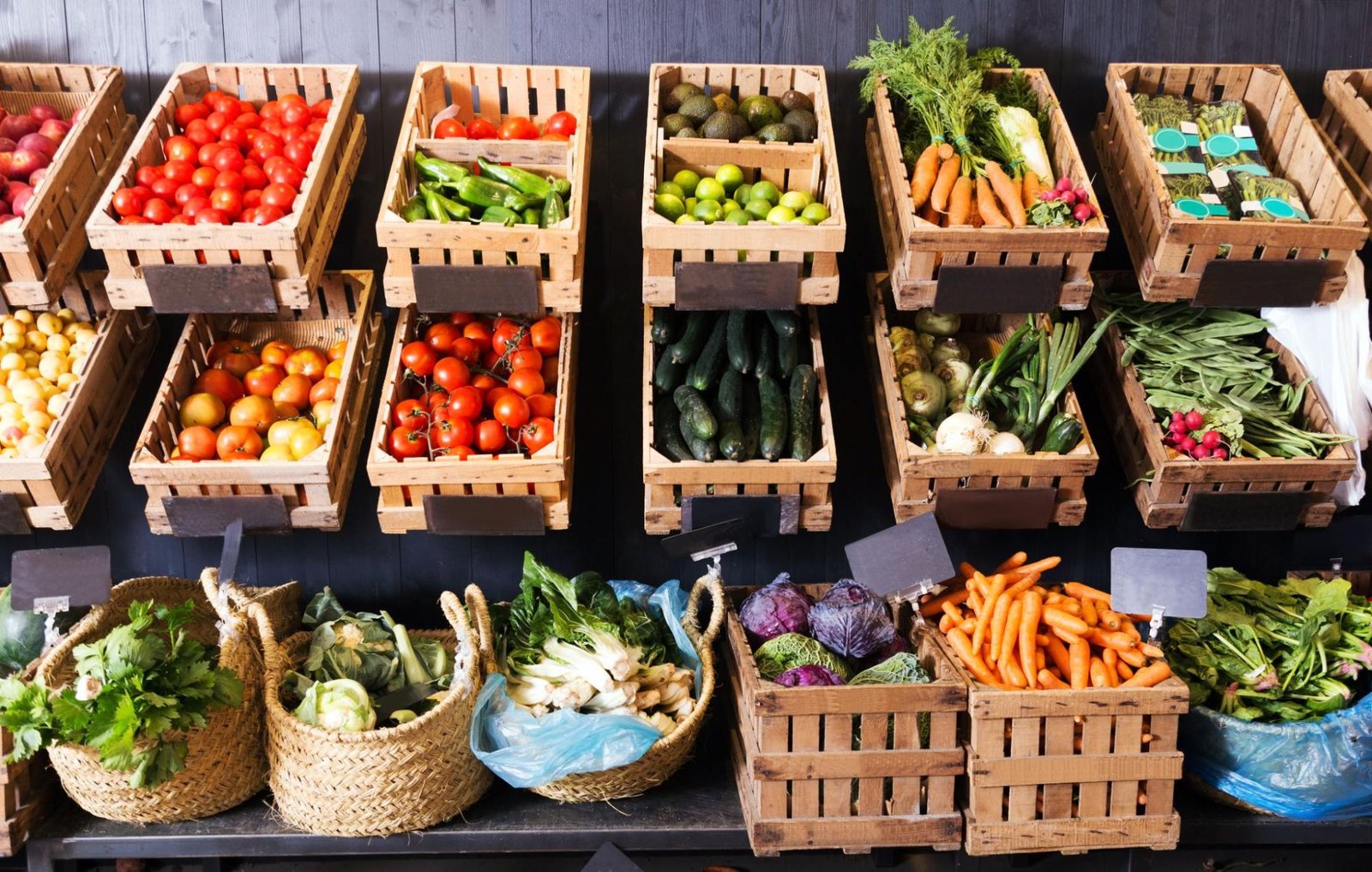
I still remember the first time I really got into cooking vegetables at home. It was during a busy week when I was tired of takeout and decided to raid my fridge for whatever greens were hiding in there. A simple steam of some broccoli turned into this eye-opening moment—crisp, flavorful, and way better than the mushy stuff I’d grown up with. That little experiment hooked me, and over the years, I’ve tried every method under the sun to make veggies not just healthy, but downright irresistible. If you’re like me and want to up your game in the kitchen without much fuss, you’re in the right place. This guide dives into six straightforward ways to cook vegetables that keep things tasty and nutritious, drawing from my own trials and what experts recommend. Whether you’re a beginner or just looking for fresh ideas, these techniques will help you turn everyday produce into something special.
Why Cook Vegetables at Home?
Cooking your own vegetables gives you full control over flavors and freshness, something you rarely get from pre-packaged meals. It’s not just about saving money—though that’s a nice perk—but about knowing exactly what’s going into your body, like skipping extra salts or preservatives. Plus, experimenting at home builds confidence in the kitchen, turning a chore into a fun ritual that connects you with your food.
From a health standpoint, home-cooked veggies retain more nutrients when done right, supporting everything from better digestion to stronger immunity. I’ve noticed a real difference in my energy levels since making this a habit, and it’s easier than you think to whip up something delicious. Let’s face it, who doesn’t feel a bit proud serving up a colorful plate that tastes as good as it looks?
Preparing Your Vegetables for Cooking
Before jumping into any method, proper prep sets the stage for success. Start by washing your veggies under cool running water to remove dirt and pesticides— no need for fancy soaps, just a gentle scrub. Pat them dry to avoid splatters, especially if you’re sautéing or roasting.
Chop uniformly for even cooking; think bite-sized pieces for quicker results and better texture. If you’re short on time, pre-cut options from the store work fine, but fresh is always best for flavor. Store extras in airtight containers in the fridge to keep them crisp until you’re ready.
Seasoning early can make a world of difference— a dash of salt, pepper, or herbs infuses taste from the start. I’ve learned the hard way that skipping this step leaves things bland, so don’t hold back. Now, onto the fun part: the methods themselves.
The 6 Easy and Delicious Ways to Cook Vegetables
These six techniques cover a range of flavors and textures, from tender and juicy to crispy and charred. Each one is beginner-friendly, requiring minimal tools you probably already have. I’ve picked them based on how they enhance natural tastes while keeping prep simple.
Boiling Vegetables
Boiling is one of the quickest ways to soften veggies like potatoes or carrots, making them perfect for soups or sides. Fill a pot with water, add a pinch of salt, and bring to a rolling boil before tossing in your chopped produce. Cook until fork-tender, usually 5-10 minutes, then drain immediately to stop the process.
- Steps: Start with cold water for root veggies to cook evenly; use boiling water for greens to preserve color. Test doneness by piercing with a fork—aim for soft but not soggy.
- Tips: Add aromatics like garlic or bay leaves to the water for extra flavor. Avoid overcooking to prevent nutrient loss.
- Pros: Super fast and hands-off; great for large batches.
- Cons: Can make veggies waterlogged; leaches some vitamins into the water.
Steaming Vegetables
Steaming locks in moisture and nutrients better than most methods, resulting in vibrant, crisp-tender bites. Use a steamer basket over simmering water, cover, and let the hot vapor do the work for 5-7 minutes. It’s ideal for broccoli or asparagus, keeping their natural crunch intact.
- Steps: Place veggies in a single layer in the basket; don’t overcrowd. Check halfway and rotate if needed for even cooking.
- Tips: Season after steaming with lemon or herbs to brighten flavors. If you don’t have a basket, a colander works in a pinch.
- Pros: Preserves vitamins like C and folate; low-calorie since no oil is added.
- Cons: Can be bland without seasonings; requires monitoring to avoid mushiness.
Sautéing Vegetables
Sautéing brings out a caramelized edge with just a bit of oil in a hot pan, turning onions or peppers into sweet, savory stars. Heat your skillet over medium-high, add a swirl of olive oil, then toss in veggies and stir frequently for 5-8 minutes until golden.
- Steps: Cut pieces small for quick cooking; start with harder veggies like carrots before adding softer ones like zucchini.
- Tips: Use high-smoke-point oils like avocado for better results. A splash of balsamic at the end adds a tangy kick.
- Pros: Builds rich flavors fast; versatile for mixing with proteins.
- Cons: Needs constant attention; can add calories from oil if overdone.
Grilling Vegetables
Grilling imparts a smoky char that makes eggplant or corn feel like a summer treat, even indoors on a grill pan. Preheat your grill to medium, brush veggies with oil, and cook 4-6 minutes per side until marked and tender.
- Steps: Slice thicker for stability on grates; skewer smaller pieces to prevent falling through. Flip once for even char.
- Tips: Marinate beforehand with herbs and vinegar for deeper taste. Clean grates well to avoid sticking.
- Pros: Enhances natural sweetness; fun for outdoor gatherings.
- Cons: Weather-dependent outdoors; can dry out if over-grilled.
Braising Vegetables
Braising slowly tenderizes tougher veggies like cabbage or leeks in a flavorful liquid, creating melt-in-your-mouth results. Sear them first in a pot, then add broth or wine, cover, and simmer on low for 20-30 minutes until soft.
- Steps: Brown veggies for initial flavor; deglaze the pan with liquid to capture bits. Stir occasionally and add more liquid if needed.
- Tips: Use veggie stock for a vegetarian twist. It’s forgiving for beginners since low heat prevents burning.
- Pros: Infuses deep, comforting flavors; great for meal prep.
- Cons: Takes longer; pot can get messy with liquids.
Roasting Vegetables
Roasting transforms humble roots like beets into crispy, caramelized delights with minimal effort. Toss with oil and spices, spread on a sheet pan, and bake at 400°F for 25-35 minutes, flipping halfway.
- Steps: Preheat the oven fully; use parchment for easy cleanup. Group similar veggies by cook time.
- Tips: Experiment with seasonings like rosemary or paprika. A squeeze of citrus post-roast cuts richness.
- Pros: Hands-free once in the oven; intensifies sweetness.
- Cons: Heats up the kitchen; uneven ovens may need watching.
Comparing the 6 Cooking Methods
To help you choose the right technique for your needs, here’s a quick comparison table. It breaks down key factors like time, tools, and outcomes based on my experiences and what nutrition sites suggest.
| Method | Prep/Cook Time | Nutrient Retention | Flavor Profile | Best For | Tools Needed |
|---|---|---|---|---|---|
| Boiling | 10-15 mins | Medium (some loss in water) | Mild, clean | Quick sides | Pot, stove |
| Steaming | 10-15 mins | High (minimal loss) | Fresh, natural | Healthy meals | Steamer basket |
| Sautéing | 10-15 mins | Medium-high | Savory, caramelized | Stir-fries | Skillet, oil |
| Grilling | 15-20 mins | Medium | Smoky, charred | BBQs | Grill or pan |
| Braising | 30-45 mins | Medium (nutrients in liquid) | Rich, stewed | Comfort food | Pot with lid |
| Roasting | 30-45 mins | High (dry heat preserves) | Sweet, crispy | Sheet pan dinners | Oven, tray |
This table shows steaming and roasting often win for health, while sautéing and grilling shine for taste. Pick based on your mood or what’s in season.
Pros and Cons of Popular Vegetable Cooking Techniques
Every method has its ups and downs, and understanding them helps avoid kitchen mishaps. For instance, boiling is straightforward but can dilute flavors if you’re not careful.
- Boiling Pros: Inexpensive, no special gear; softens quickly for purees.
- Boiling Cons: Colors fade; vitamins escape—save the water for soups to reclaim them.
- Steaming Pros: Keeps veggies vibrant; zero added fats for lighter dishes.
- Steaming Cons: Subtle taste might need boosting with spices.
- Sautéing Pros: Quick flavor build; pairs well with garlic or onions.
- Sautéing Cons: Oil can add calories; hot pan requires focus to prevent burning.
And so on for the others—grilling’s pros include that irresistible smoke, but cons like cleanup make it occasional for me. Braising’s slow pace is a pro for depth but a con when hungry. Roasting’s hands-off nature is a big pro, though longer times are the tradeoff.
People Also Ask
Drawing from common Google searches, here are real questions folks often have about cooking veggies, with straightforward answers to satisfy that curiosity.
What is the healthiest way to cook vegetables?
Steaming tops the list for retaining nutrients like vitamin C, as it uses minimal water and heat. Unlike boiling, it prevents leaching, and studies from sites like Healthline back this up. Try it for greens to keep them nutrient-packed and tasty.
How do you cook vegetables without losing nutrients?
Opt for quick methods like microwaving or steaming over boiling. Cut pieces uniformly for even cooking, and eat soon after to maximize benefits. Resources from Johns Hopkins suggest prepping just before cooking to limit exposure to air.
Is it better to boil or steam vegetables?
Steaming usually edges out boiling because it preserves more vitamins and keeps textures crisp. Boiling works for starchy veggies but can make others soggy. For best results, steam most produce as recommended by nutrition experts.
What are the best vegetables to roast?
Root veggies like carrots, potatoes, and Brussels sprouts roast beautifully, developing sweet, crispy edges. Toss with oil and herbs for extra appeal. Check out recipes on The Kitchn for inspiration on combos.
How can I make cooked vegetables taste better?
Season generously with herbs, spices, or a drizzle of olive oil—roasting with garlic does wonders. Add acidity like lemon to brighten, or cheese for indulgence. It’s all about balancing flavors to make them crave-worthy.
Where to Get Fresh Vegetables for Cooking
For the best results, source your produce from local farmers’ markets or CSAs—they’re fresher and often organic. In urban areas, check apps like LocalHarvest.org for nearby options. Grocery chains like Whole Foods carry seasonal picks, or grow your own in a windowsill pot for ultimate freshness.
Best Tools for Cooking Vegetables
Invest in a good steamer basket (around $10 on Amazon) for nutrient-friendly cooking—it’s versatile and dishwasher-safe. A cast-iron skillet from Lodge excels at sautéing and grilling indoors. For roasting, a sturdy sheet pan like Nordic Ware’s prevents warping and ensures even heat.
FAQ
How long should I cook vegetables to keep them crunchy?
Aim for 5-10 minutes in most methods like steaming or sautéing—test with a fork for that perfect al dente bite. Overcooking turns them soft, so start checking early.
Can I cook frozen vegetables the same way?
Absolutely, but skip thawing for steaming or roasting to avoid sogginess. They cook faster, so reduce times by a few minutes and season well.
What’s the easiest way for beginners to start cooking veggies?
Sautéing is forgiving and quick— just heat oil, add veggies, and stir. It builds confidence with immediate flavorful results.
Do I need to peel vegetables before cooking?
Not always; skins add fiber and nutrients, like on carrots or potatoes. Peel if bitter or tough, but washing thoroughly is key.
How do I store cooked vegetables?
Cool them first, then refrigerate in airtight containers for up to 3-4 days. Reheat gently to maintain texture—microwaving works best.
In wrapping up, these six ways have changed how I approach meals, making veggies the star rather than an afterthought. There’s a quiet joy in mastering something simple that boosts your health and delights your taste buds. Give one a try tonight—you might surprise yourself with how easy and rewarding it feels. For more ideas, explore related articles on our site like best vegetable recipes or check external guides from EatingWell for advanced tips. Happy cooking!