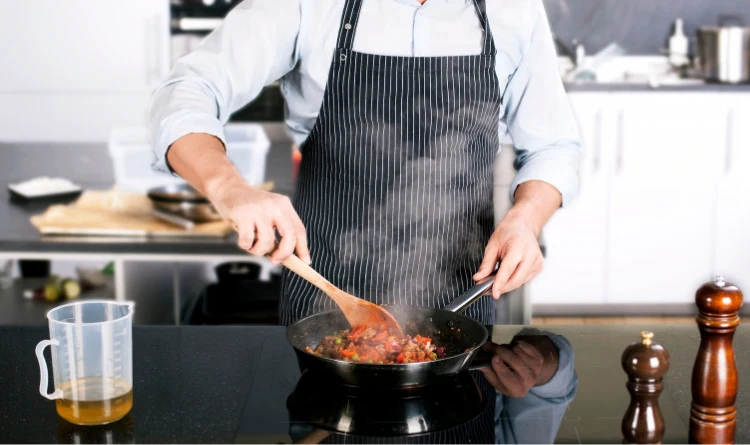
Whether you’re flipping pancakes for a lazy Sunday brunch or trying to impress your in-laws with a gourmet dinner, understanding different cooking techniques can transform your kitchen game. As a home chef, I’ve burned my fair share of dishes (RIP my first attempt at risotto), but diving into various cooking methods has made me more confident and creative. In this article, we’ll explore three essential types of cooking—dry heat, moist heat, and combination cooking—that every home chef should know. These techniques aren’t just for fancy restaurants; they’re practical, approachable, and perfect for elevating your everyday meals. Let’s dig in and uncover how these methods can make you the star of your kitchen.
Why Cooking Techniques Matter for Home Chefs
Mastering different cooking methods is like having a Swiss Army knife in the kitchen—it gives you versatility and control. Each technique brings out unique flavors and textures, turning simple ingredients into something extraordinary. Plus, knowing your way around these methods can save you from kitchen disasters and make meal prep more fun.
Cooking as a Creative Outlet
Cooking is an art form, and techniques are your paintbrush. Whether you’re searing a steak or braising a pot roast, each method lets you express yourself while ensuring delicious results. I remember the first time I roasted vegetables perfectly—crisp on the outside, tender inside—it felt like I’d unlocked a secret superpower.
Building Confidence in the Kitchen
Trying new techniques can be intimidating, but once you get the hang of them, you’ll feel unstoppable. Think of it like riding a bike: a little wobbly at first, but soon you’re zooming along. These skills build a foundation for tackling any recipe with ease.
Dry Heat Cooking: The Art of Crisp and Caramelized
Dry heat cooking uses high temperatures and little to no moisture to create those crave-worthy crispy textures and rich flavors. Think golden-brown roasted potatoes or a perfectly seared steak. This method is all about direct heat, whether from an oven, stovetop, or grill.
Roasting: Your Oven’s Superpower
Roasting uses hot, dry air to cook food evenly, bringing out natural sweetness and depth. It’s perfect for vegetables, meats, and even fruits. My go-to is a tray of root veggies tossed in olive oil and rosemary—45 minutes at 400°F, and you’ve got a side dish that steals the show.
Grilling: Smoky Goodness at Home
Grilling adds a smoky, charred flavor that’s hard to beat. Whether you’re using a backyard grill or a stovetop grill pan, this method is great for burgers, veggies, or even pineapple slices. Pro tip: let your meat rest after grilling to keep it juicy.
Pan-Searing: Quick and Flavorful
Pan-searing is ideal for locking in juices and creating a crispy crust. I learned this the hard way when I overcrowded a pan with chicken thighs—steam city! Keep space between pieces, use high heat, and don’t flip too soon for that perfect golden sear.
Pros and Cons of Dry Heat Cooking
- Pros: Enhances natural flavors, creates crispy textures, relatively quick for smaller cuts.
- Cons: Can dry out food if overcooked, requires attention to avoid burning.
Moist Heat Cooking: Tender and Juicy Results
Moist heat cooking uses liquid or steam to gently cook food, keeping it tender and flavorful. This method is a lifesaver for tougher cuts of meat or delicate ingredients like fish. It’s like giving your food a cozy, warm bath.
Boiling: Simple but Versatile
Boiling is straightforward—submerge food in bubbling water. It’s great for pasta, eggs, or blanching veggies to lock in color. I once boiled carrots too long and ended up with mush; aim for crisp-tender to keep things vibrant.
Steaming: Healthy and Gentle
Steaming cooks food with hot vapor, preserving nutrients and flavor. It’s perfect for veggies, dumplings, or fish. A bamboo steamer basket is my secret weapon for restaurant-quality steamed buns at home.
Braising: Low and Slow Magic
Braising combines searing and slow cooking in liquid, turning tough cuts like brisket into melt-in-your-mouth masterpieces. My first braised short ribs were a revelation—four hours in the oven, and they fell apart with a fork.
Pros and Cons of Moist Heat Cooking
- Pros: Keeps food moist, ideal for tough cuts, infuses flavors from liquids.
- Cons: Can be time-consuming, may dilute flavors if not seasoned well.
Combination Cooking: The Best of Both Worlds
Combination cooking blends dry and moist heat for complex flavors and textures. It’s like the culinary equivalent of a power couple—think crispy-skinned chicken in a rich, savory sauce. This method is perfect for dishes that need both intensity and tenderness.
Braising After Searing: A Flavor Explosion
Start with a quick sear to lock in flavor, then simmer in liquid for tenderness. My go-to pot roast starts with a sizzle in the pan, then slow-cooks in broth and red wine for hours. The result? Pure comfort in every bite.
Stir-Frying: Fast and Flavorful
Stir-frying uses high heat for a quick sear, followed by tossing ingredients in a small amount of liquid (like soy sauce). It’s my weeknight savior—15 minutes, a hot wok, and a handful of veggies make a meal that rivals takeout.
Slow-Cooker Stews: Set It and Forget It
Slow-cooker recipes often combine searing meat for flavor, then simmering in broth for hours. I love throwing ingredients into my slow cooker in the morning and coming home to a house that smells like a five-star restaurant.
Pros and Cons of Combination Cooking
- Pros: Balances texture and flavor, versatile for many dishes, great for meal prep.
- Cons: Requires multiple steps, can be equipment-heavy.
Comparison: Dry Heat vs. Moist Heat vs. Combination Cooking
| Cooking Method | Best For | Equipment Needed | Time Required | Flavor Profile |
|---|---|---|---|---|
| Dry Heat | Meats, vegetables, fruits | Oven, grill, skillet | Quick to moderate | Crispy, caramelized |
| Moist Heat | Tough cuts, delicate foods | Pot, steamer, slow cooker | Moderate to long | Tender, juicy |
| Combination | Complex dishes, stews | Skillet, oven, wok | Moderate to long | Rich, layered |
This table highlights how each method suits different needs. Dry heat is your go-to for speed and crunch, moist heat for tenderness, and combination cooking for depth.
Tools Every Home Chef Needs for These Techniques
To master these cooking methods, having the right tools is key. Here’s what I recommend:
- Cast-Iron Skillet: Perfect for searing and roasting. Mine’s a hand-me-down from my grandma, and it’s practically indestructible.
- Dutch Oven: Ideal for braising and stews. A heavy-bottomed one distributes heat evenly.
- Steamer Basket: Affordable and great for healthy steaming.
- Grill Pan: Brings outdoor grilling indoors, especially in winter.
- Slow Cooker: A lifesaver for combination cooking with minimal effort.
For the best deals, check kitchenware stores like Sur La Table or Amazon for durable, budget-friendly options. Investing in quality tools makes all the difference.
People Also Ask (PAA) Section
What is the difference between dry and moist heat cooking?
Dry heat cooking uses direct heat (like roasting or grilling) to create crispy textures, while moist heat cooking (like boiling or steaming) uses liquid or steam for tender results. Dry heat enhances caramelization, while moist heat preserves moisture.
What are the best cooking methods for beginners?
Boiling and roasting are great starting points. Boiling is simple (just don’t overcook!), and roasting is forgiving—just toss ingredients with oil, season, and bake. Start with recipes like roasted chicken or boiled pasta.
How do I know which cooking method to use?
Consider your ingredients and desired outcome. Want crispy? Go dry heat. Need tender? Try moist heat. For complex flavors, use combination cooking. Experimenting helps you learn what works best.
Where can I learn more about cooking techniques?
Online platforms like MasterClass or Serious Eats offer tutorials from pro chefs. YouTube channels like Binging with Babish also break down techniques with humor and clarity.
Tips for Mastering These Cooking Techniques
- Start Small: Practice one method at a time. Try roasting veggies before tackling a whole chicken.
- Season Generously: Salt and spices amplify flavors, especially in moist heat cooking.
- Use a Thermometer: Ensure meats are cooked perfectly, especially for dry heat methods.
- Experiment with Flavors: Add herbs, citrus, or spices to make each technique your own.
- Clean as You Go: Keeps your kitchen stress-free and makes cooking more enjoyable.
FAQ: Common Questions About Cooking Techniques
What’s the easiest cooking method for beginners?
Boiling is the simplest—just heat water and add ingredients. It’s hard to mess up pasta or eggs, as long as you keep an eye on the clock.
How can I prevent food from drying out in dry heat cooking?
Use enough oil, avoid overcrowding the pan, and check doneness early. For roasting, cover with foil if it’s browning too fast.
What’s the best way to braise at home?
Sear your meat first, then simmer in a flavorful liquid (like broth or wine) in a Dutch oven at low heat for several hours.
Can I use a slow cooker for all combination cooking?
Not always. Slow cookers are great for stews, but stir-frying or braising in an oven gives better texture for some dishes.
Where can I find budget-friendly kitchen tools?
Check Amazon, Target, or thrift stores for deals on skillets, pots, and steamers. Brands like Lodge and Cuisinart offer quality at affordable prices.
Bringing It All Together
Mastering dry heat, moist heat, and combination cooking opens up a world of possibilities in your kitchen. Each method has its strengths, from the crispy perfection of a grilled burger to the comforting tenderness of a braised stew. My own journey started with overcooked chicken and soggy veggies, but practicing these techniques turned me into a confident home chef. Experiment, have fun, and don’t be afraid to make mistakes—every burnt dish is a lesson in disguise. So grab your skillet, fire up the oven, and start cooking like the pro you were meant to be.