
Imagine biting into a potato chip that tastes like your favorite burger joint’s fries dipped in ketchup, but without the mess. That’s the magic I discovered on a rainy afternoon in Vancouver a few years back. I was visiting family, dodging puddles on Granville Street, when I grabbed a bag of ketchup chips from a corner store. One crunch, and I was hooked— that perfect balance of sweet tomato, sharp vinegar tang, and savory salt had me questioning why this wasn’t everywhere. Little did I know, the secret behind that addictive flavor was ketchup powder, a humble yet powerhouse seasoning that’s quietly revolutionizing pantries across borders. If you’ve never tried it, you’re missing out on a Canadian gem that’s as versatile as it is delicious.
What is Ketchup Powder?
Ketchup powder is essentially the dehydrated essence of everyone’s favorite condiment, transformed into a fine, brick-red spice blend that’s shelf-stable and mess-free. It’s made by spray-drying or dehydrating ketchup ingredients like tomatoes, vinegar, sugar, and salt into a powder form, often with added onion or garlic for depth. This Canadian staple, famous for dusting snacks north of the border, packs all the punch of liquid ketchup without the squeeze bottle drama.
Key Ingredients in Ketchup Powder
The core of ketchup powder mirrors classic ketchup recipes: tomato powder for that rich, fruity base, vinegar powder for zing, sugar for subtle sweetness, and salt for balance. Brands might tweak it with onion powder, garlic, or even a hint of spices like paprika, but the goal is always to capture that familiar tang without overwhelming other flavors. It’s like ketchup grew up and got sophisticated.
The Unique Flavor Profile
What sets ketchup powder apart is its ability to hit sweet, tangy, savory, and umami notes all at once, covering four of the five basic tastes. The tomato brings earthiness, vinegar adds acidity, sugar tempers it with warmth, and salt amplifies everything. Sprinkle it on, and it elevates simple dishes to crave-worthy status, much like how a dash of MSG boosts umami but with a nostalgic twist.
The Fascinating History of Ketchup Powder
Ketchup’s roots trace back thousands of years to ancient China, where it started as a fermented fish sauce called “ke-tchup” in the Hokkien dialect. It traveled via trade routes to Europe, evolving into mushroom or walnut-based versions in Britain before Americans sweetened it with tomatoes in the 19th century. Ketchup powder, however, is a more modern invention, gaining fame in Canada during the mid-20th century when snack companies like Hostess and Old Dutch used it to create iconic ketchup chips that became a national obsession.
From Fish Sauce to Pantry Staple
Early ketchups were savory and fishy, nothing like today’s version—think anchovy pastes preserved for long sea voyages. By the 1800s, tomatoes took center stage thanks to innovators like James Mease, who published the first tomato ketchup recipe in 1812. Fast forward to the 1970s, and Canadian chip makers perfected the powder form, blending dehydrated tomatoes with vinegar essence to mimic the condiment’s profile on crisps. It’s a story of adaptation, from imperial China to convenience stores in Toronto.
Ketchup Powder’s Rise in Canadian Culture
In Canada, ketchup powder isn’t just a seasoning; it’s cultural currency. I recall my cousin in Ottawa joking that it’s as essential as poutine or Tim Hortons coffee. Brands like Lay’s and President’s Choice popularized it on chips, turning it into a symbol of national pride. While it’s trickled into the U.S. market recently—think Trader Joe’s short-lived sprinkle—its heart remains Canadian, where it’s sprinkled on everything from popcorn to poutine for that signature tang.
Why Ketchup Powder Belongs in Every Pantry
This spice blend earns its spot because it’s a flavor multitasker that adds depth without adding liquid, perfect for dry rubs or finishing touches. Unlike liquid ketchup, it won’t soggy up your food, and its long shelf life means it’s always ready for a quick upgrade. Whether you’re a busy parent or a home chef experimenting, it delivers big on convenience and taste, making mundane meals memorable.
Versatility Beyond Snacks
Sure, it’s famous for chips, but ketchup powder shines in unexpected places—like boosting a dry rub for ribs or deepening a stew’s broth. I once tossed it into a batch of roasted nuts during a game night, and friends couldn’t stop munching. It’s that secret weapon that makes you look like a culinary genius without much effort.
Health and Convenience Benefits
Compared to bottled ketchup, the powder form often has fewer preservatives and lets you control portions. It’s naturally gluten-free in most blends, with low calories per sprinkle, making it a smarter choice for flavor without guilt. Plus, no refrigeration needed—it’s a pantry hero for those “what’s for dinner?” moments.
How to Use Ketchup Powder in Cooking
Start simple: shake it over hot fries or popcorn for an instant hit. For more adventure, mix it into meatloaf or coleslaw dressing to amp up umami without extra moisture. The key is experimentation— a little goes a long way, blending seamlessly into both sweet and savory dishes.
Snack Time Upgrades
Transform plain popcorn into a movie-night star by melting butter, stirring in ketchup powder, and tossing. Or dust it on mixed nuts for a tangy twist that beats boring salted versions. I’ve even sprinkled it on cheese crackers for a DIY “all-dressed” vibe that’s addictively Canadian.
In Rubs and Seasonings
Add a teaspoon to your favorite barbecue rub for ribs—it pairs beautifully with smoky flavors. For potato wedges, combine with salt, pepper, and garlic powder before baking. It’s especially great on grilled meats, where the tang cuts through richness like a pro.
Enhancing Sauces and Stews
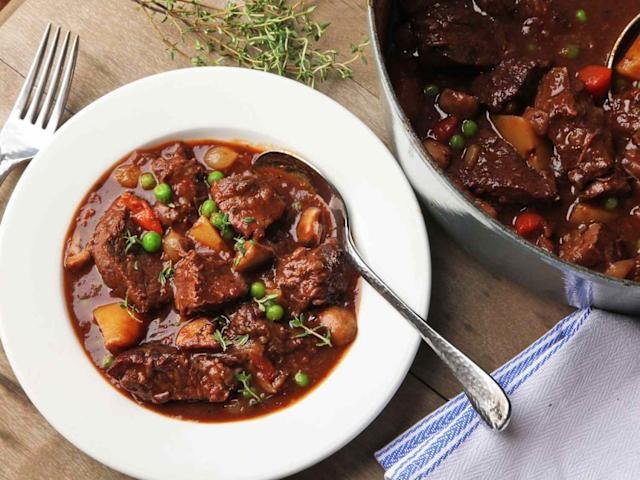
Stir it into beef stew or chili to deepen tomato notes without thinning the base. In Asian-inspired dishes like sweet and sour pork, it adds authentic tang. One winter evening, I boosted a simple tomato soup with a dash, and it tasted like homemade comfort on steroids.
Creative Dips and Spreads
Mix with sour cream for a quick “ketchup dip” that’s perfect for veggies or chips. Or blend into mayo for a tangy sandwich spread. It’s a game-changer for party platters, turning basic into brilliant with minimal fuss.
Delicious Recipes Using Ketchup Powder
Let’s get hands-on with some recipes that showcase this blend’s magic. These are straightforward, using everyday ingredients, but the powder elevates them to something special. I’ll share a few favorites from my kitchen trials, complete with tips for tweaks.
Ketchup Powder Popcorn
Pop 1/2 cup kernels, melt 4 tbsp butter, and stir in 2 tsp ketchup powder with a pinch of salt. Toss everything together for buttery, tangy bliss. This one’s my go-to for Netflix binges—simple, but it hits that pleasure center every time.
Tangy Meatloaf with Ketchup Glaze
Mix 1 lb ground beef, 1/2 cup breadcrumbs, 1 egg, 1 tbsp ketchup powder, onion, and spices. Bake at 350°F for 45 minutes, glazing with more powder mixed in ketchup. The result? Juicy, flavorful slices that remind me of family dinners, but with an extra zing.
Spicy Ketchup Fries
Bake frozen fries, then sprinkle with 1-2 tsp ketchup powder, chili flakes, and cheese. Broil until melty. These disappeared at my last barbecue—kids and adults fought over the last ones, proving it’s a crowd-pleaser.
Umami-Boosted Coleslaw
Whisk 1/4 cup mayo, 1 tbsp vinegar, 1 tsp ketchup powder, and sugar. Toss with shredded cabbage. It’s a lighter take on Lexington-style slaw, perfect for picnics. I added it to pulled pork sandwiches once, and it was a revelation.
Comparing Ketchup Powder to Other Seasonings
Ketchup powder stands out for its all-in-one flavor, but how does it stack up against staples like tomato powder or BBQ seasoning? Let’s break it down in a handy table for quick reference.
| Seasoning | Key Flavors | Best Uses | Pros | Cons |
|---|---|---|---|---|
| Ketchup Powder | Sweet, tangy, savory, umami | Snacks, rubs, sauces | Versatile, no moisture added, long shelf life | Can be too sweet for some palates |
| Tomato Powder | Earthy, fruity | Soups, pastes | Pure tomato taste, thickens liquids | Lacks tang and sweetness |
| BBQ Seasoning | Smoky, spicy, sweet | Grills, meats | Bold for barbecues | Often overpowering, higher sodium |
| Ranch Powder | Herby, creamy | Dips, salads | Cooling contrast | Needs mixing with dairy, less tangy |
Pros and Cons of Ketchup Powder
Pros: Adds complex flavor instantly, gluten-free options available, enhances without overpowering. Cons: Not as widely available in stores, potential for clumping if exposed to humidity. Overall, the pros far outweigh, especially for flavor enthusiasts.
When to Choose Ketchup Powder Over Alternatives
Opt for it when you want ketchup’s essence without the liquid—think dry applications like popcorn or rubs. Versus tomato powder, it’s more complete; against BBQ, it’s subtler. I switch to it for Canadian-inspired twists, like on poutine.
Where to Get Ketchup Powder
Finding this blend is easier online than in local stores, especially outside Canada. Check Amazon for brands like Flavor God or Sheffield Spice, or Walmart for budget options like bettergoods. For authenticity, order from Canadian sites like Old Dutch—shipping’s worth it for the real deal.
Best Brands to Try
Flavor God’s version uses natural ingredients like lemon and garlic for a premium feel. Terra Spice’s “Ketchup Redefined” adds gourmet touches like Dijon mustard. I started with a basic shaker from Amazon and graduated to fancier ones—start simple.
Making Your Own at Home
Dehydrate ketchup on a baking sheet at 200°F for 7 hours, then grind into powder. Or mix tomato powder (70%), vinegar powder (5%), sugar, salt, onion, and garlic. It’s fun DIY, but store-bought saves time.
People Also Ask About Ketchup Powder
Based on common searches, here are real questions people have, answered briefly.
What is ketchup powder made of?
It’s typically tomato powder, vinegar powder, sugar, salt, and onion/garlic, dehydrated to capture ketchup’s flavor in dry form.
How do you make ketchup powder at home?
Spread ketchup thin on a lined tray, dehydrate low and slow, then blend. Simple recipes use store-bought powders for mixing.
Is ketchup powder healthy?
It depends on the brand—low in calories, but watch for added sugars and sodium. It’s often gluten-free and additive-free in natural versions.
What can I substitute for ketchup powder?
Tomato powder with a splash of vinegar and sugar works in a pinch, or mix BBQ seasoning with citric acid for tang.
FAQ
Can ketchup powder be used in baking?
Absolutely—add it to bread dough for a subtle tang or mix into savory muffins. It won’t add moisture, so it’s ideal for dry mixes.
How long does ketchup powder last?
Stored in a cool, dry place, it can last up to two years. Keep it airtight to prevent clumping from humidity.
Is ketchup powder vegan?
Most are, as they’re plant-based, but check labels for any animal-derived additives like Worcestershire hints in some blends.
What’s the difference between ketchup powder and tomato powder?
Ketchup powder includes vinegar, sugar, and spices for a full condiment taste, while tomato powder is just dehydrated tomatoes—purer but less complex.
Where did ketchup powder originate?
It’s a modern Canadian innovation, rooted in the broader history of ketchup from Asia, but popularized for snacks in the 20th century.
In wrapping up, ketchup powder isn’t just a novelty—it’s a testament to how simple ingredients can transform cooking. From my first Vancouver chip to experimenting in my own kitchen, it’s brought joy and flavor to countless meals. Give it a try; your pantry (and taste buds) will thank you. Whether sprinkling on fries or stirring into stews, this Canadian treasure proves that sometimes, the best things come in powder form.



Leave a Reply