

Picture this: It’s a chilly evening, and I’m stirring a pot of homemade chicken soup that smells amazing but tastes just a tad flat. You know that feeling—everything’s there, the veggies, the herbs, the tender meat, but it’s missing that spark. That’s when I reach into my fridge for my secret weapon: a fresh lemon. A quick squeeze, and suddenly the whole dish comes alive. The flavors pop, the richness balances out, and everyone at the table asks for seconds. I’ve been doing this for years, ever since a family trip to Greece where a simple bowl of avgolemono soup changed how I think about cooking. That tangy brightness? It’s all thanks to lemon. In this article, we’ll dive deep into why lemon is my go-to fridge staple for elevating soups and sauces, how to use it like a pro, and even some recipes to try at home. Trust me, once you start keeping lemons on hand, you’ll wonder how you ever cooked without them.
Why Lemon Deserves a Permanent Spot in Your Fridge
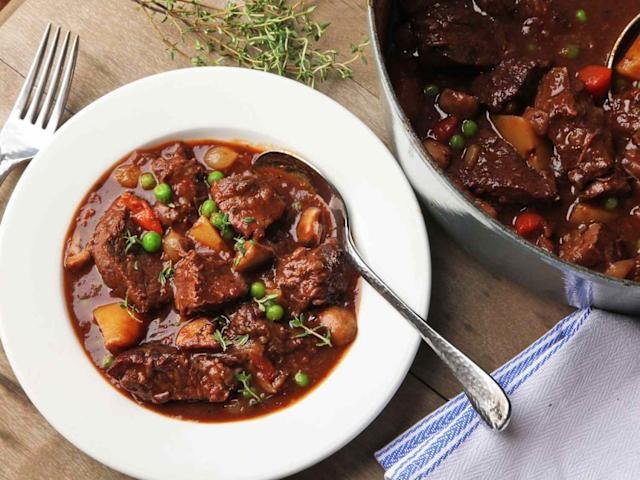
Lemons aren’t just for lemonade—they’re a kitchen powerhouse that can transform everyday meals. I always buy a bag of them during my weekly grocery run, tucking them into the crisper drawer where they stay fresh for weeks. What makes them so essential? It’s that natural acidity that cuts through heaviness and amplifies other ingredients without overpowering them. Whether it’s a hearty winter stew or a light summer vinaigrette, a bit of lemon juice brings everything into harmony.
The Science of Lemon’s Magic Touch
At its core, lemon’s brightness comes from citric acid, which interacts with your taste buds to heighten flavors. When you add it to a dish, it balances saltiness, tames sweetness, and adds a zesty lift. Think of it like turning up the contrast on a photo—suddenly, the colors are vivid. In my experience, this is especially true for soups and sauces, where long cooking times can dull tastes. A study from food scientists at the University of California explains how acids like lemon juice enhance umami and reduce bitterness, making meals more enjoyable.
Personal Anecdote: My Lemon Awakening
I remember the first time lemon truly saved a meal. It was during a backyard barbecue gone wrong—my tomato sauce for the pasta salad was too bland from overripe tomatoes. In a panic, I grabbed a lemon from the fridge and squeezed in the juice. The sauce went from meh to magnificent, with guests raving about the “secret ingredient.” That moment hooked me. Now, I even zest the peels for extra aroma, turning potential disasters into dinner triumphs. It’s those little wins that make cooking fun.
Mastering Lemon in Soups: Tips and Techniques
Soups are where lemon shines brightest, turning comforting bowls into something extraordinary. I keep lemons in the fridge specifically for this— they’re always ready when a pot needs perking up. The key is timing: Add juice at the end to preserve that fresh zing, or earlier for a subtler meld.
When to Add Lemon for Maximum Impact
For most soups, a splash right before serving keeps the acidity sharp and lively. If you’re simmering for hours, though, a bit early on helps integrate flavors without losing punch. I’ve learned this the hard way—adding too soon once turned my veggie broth bitter, but now I taste as I go.
Best Soup Types for Lemon Enhancement
Lemon pairs beautifully with brothy, creamy, or veggie-based soups. In chicken noodle, it cuts the richness; in lentil, it highlights earthiness. Avoid overdoing it in super-spicy varieties, though, as it can amplify heat unexpectedly.
- Chicken Lemon Rice Soup: A cozy classic with shredded chicken, rice, and a generous lemon squeeze.
- Vegetable Minestrone: Adds brightness to tomatoes and beans.
- Creamy Potato Leek: Balances the starchiness with tang.
Lemon-Infused Soup Recipes to Try Tonight
Nothing beats hands-on examples, so here are a few recipes I’ve perfected over years of experimenting. They’re simple, using everyday ingredients, but the lemon makes them special.
Classic Greek Avgolemono Soup
This silky chicken soup is my winter go-to. Start with 8 cups chicken broth, 1/2 cup rice, and 2 beaten eggs. Simmer rice in broth, then temper eggs with hot broth and lemon juice from 2 lemons. Stir back in for creaminess without curdling. Serves 4—bright, comforting, and ready in 30 minutes.
Hearty Lemon Lentil Soup
Boil 1 cup lentils with onions, carrots, garlic, and 6 cups veggie stock. Finish with juice from 1 lemon and a handful of spinach. It’s vegan-friendly and packs protein. I love how the lemon makes the spices sing.
Quick Lemon Chicken Orzo Soup
Sauté veggies, add chicken, orzo, and broth. Stir in lemon zest and juice at the end. Perfect for busy weeknights—my kids devour it.
| Recipe | Prep Time | Key Ingredients | Why Lemon Works |
|---|---|---|---|
| Avgolemono | 10 min | Chicken broth, eggs, rice | Adds silky tang without cream |
| Lemon Lentil | 15 min | Lentils, veggies, stock | Brightens earthy flavors |
| Chicken Orzo | 5 min | Chicken, orzo, carrots | Cuts richness, enhances herbs |
Elevating Sauces with Lemon: From Basic to Bold
Sauces can make or break a meal, and lemon is my fridge hero for keeping them vibrant. Unlike pantry staples like vinegar, fresh lemons add a citrus note that’s irreplaceable. I always have a couple on hand for impromptu dinners.
The Role of Lemon in Sauce Balance
Lemon’s acid tempers fatty or sweet elements, creating depth. In a creamy alfredo, it prevents cloying; in a marinara, it heightens tomatoes. Add it gradually—start with a teaspoon, taste, and adjust.
Timing and Techniques for Perfect Sauces
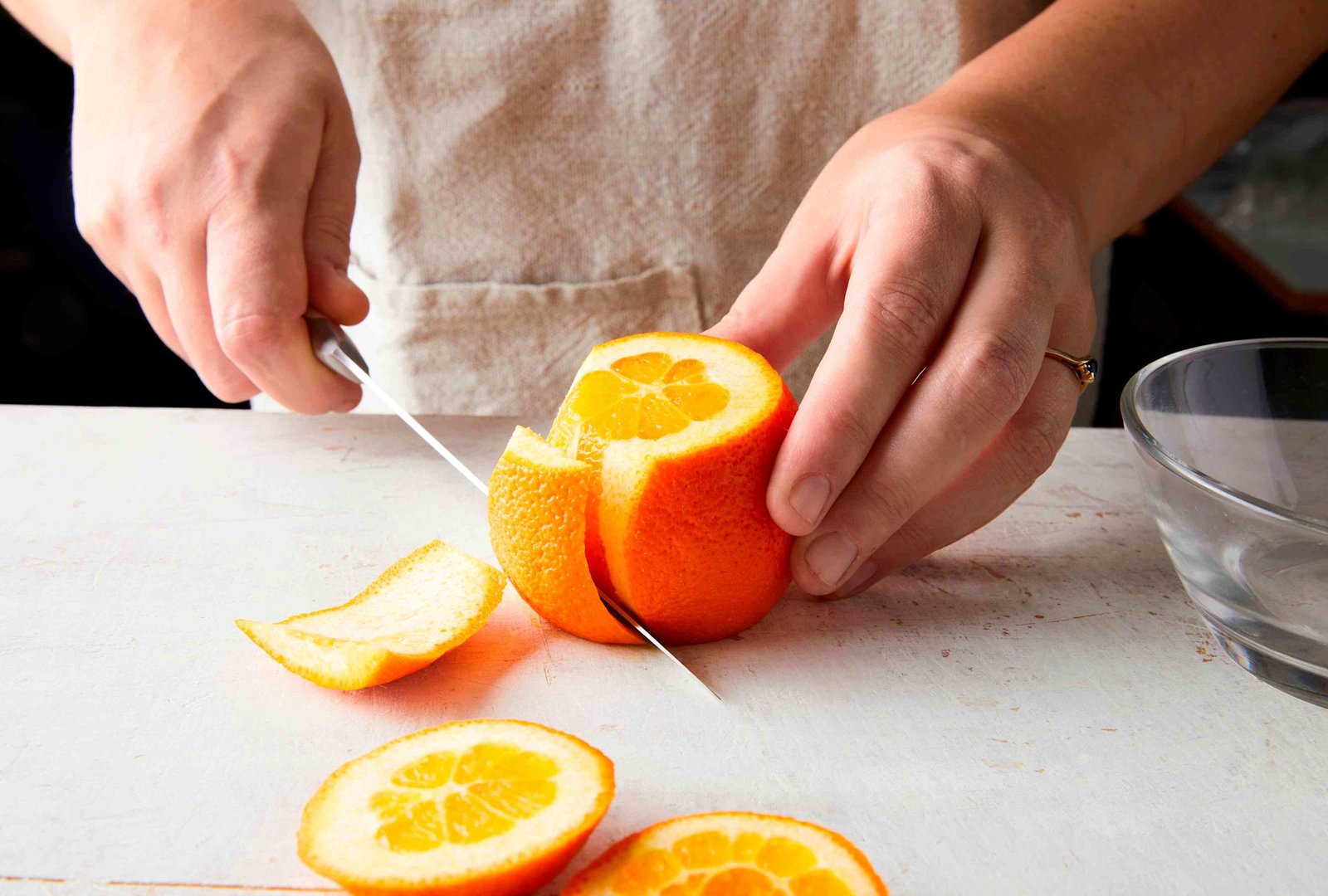
For reductions like pan sauces, add lemon early to integrate. In vinaigrettes or cold sauces, squeeze it fresh for punch. I’ve found zest adds aroma without extra liquid, ideal for thicker consistencies.
Lemon Sauce Recipes That Impress
These are straightforward but flavorful—great for drizzling over grilled meats or veggies.
Simple Lemon Butter Sauce
Melt 1/2 cup butter with garlic, then whisk in juice from 1 lemon. Drizzle over fish or pasta. Takes 5 minutes, tastes gourmet.
Zesty Lemon Tahini Sauce
Mix 1/4 cup tahini, lemon juice from 2 lemons, water, and salt. Perfect for falafel or salads—creamy yet light.
Creamy Lemon Yogurt Sauce
Combine Greek yogurt, lemon zest, juice, and herbs. Use as a dip or topping for roasted veggies.
Pros of Using Lemon in Sauces:
- Natural flavor enhancer without calories.
- Versatile for sweet or savory.
- Adds vitamin C boost.
Cons:
- Can overpower if overused.
- Fresh lemons spoil faster than bottled juice.
Lemon vs. Other Acids: A Flavor Comparison
While lemon is my favorite, it’s worth comparing to alternatives like vinegar or lime. Vinegar offers sharpness but lacks citrus depth—great for pickling, less so for delicate soups. Lime brings tropical notes, ideal for Asian dishes, but it’s pricier. Lemon strikes the perfect balance: affordable, accessible, and subtle.
When to Choose Lemon Over Vinegar
Opt for lemon in creamy or brothy recipes where you want brightness without bite. Vinegar suits heartier, tomato-based ones. In my kitchen, lemon wins 80% of the time for its freshness.
| Acid Type | Best For | Flavor Profile | Shelf Life |
|---|---|---|---|
| Lemon Juice | Soups, light sauces | Bright, citrusy | 1-2 weeks (fresh) |
| Apple Cider Vinegar | Stews, marinades | Tangy, fruity | Indefinite |
| White Wine Vinegar | Vinaigrettes | Mild, clean | Indefinite |
| Lime Juice | Tacos, curries | Zesty, tropical | 1 week (fresh) |
People Also Ask: Common Questions About Lemon in Cooking
Drawing from real Google searches, here are answers to top queries that pop up when people look into using lemon for brighter dishes.
What Does Lemon Juice Do to Soup?
It adds acidity that balances flavors, making dull soups taste vibrant. A squeeze at the end prevents bitterness from overcooking.
When Should I Add Lemon Juice to Sauce?
For brightness, add at the end; for integration, earlier in cooking. Taste as you go to avoid overwhelming the dish.
Can I Use Bottled Lemon Juice Instead of Fresh?
Yes, in a pinch, but fresh offers better flavor and aroma. Bottled works for recipes where subtlety isn’t key.
Does Lemon Juice Make Food Taste Better?
Absolutely—it enhances natural tastes, reduces heaviness, and adds a refreshing note. It’s like a flavor amplifier.
How Much Lemon Juice Should I Add to Soup?
Start with 1-2 tablespoons per pot, then adjust. For a 4-serving batch, juice from one lemon usually suffices.
Where to Get the Best Lemons and Tools
If you’re sold on stocking lemons, head to your local farmers’ market for organic ones—they’re juicier and pesticide-free. For bulk buys, Costco or online grocers like Instacart deliver fresh. Need a good juicer? The OXO Good Grips Citrus Juicer (amazon.com) is my pick—affordable and efficient. For zesting, a Microplane grater (microplane.com) is unbeatable.
Best Tools for Working with Lemons
- Handheld Juicer: Extracts every drop without seeds.
- Zester: For fine peels that add aroma.
- Storage Bags: Keep lemons fresh longer in the fridge.
These make incorporating lemon effortless, turning it into a habit.
FAQ: Your Lemon Questions Answered
Is lemon juice better than zest for soups?
Juice adds tang, zest adds aroma—use both for the best results. Zest is milder and doesn’t thin the broth.
Can lemon curdle creamy sauces?
Yes, if added cold to hot dairy. Warm the juice first or add slowly while stirring to prevent separation.
What’s the best substitute for lemon in sauces?
Lime or white wine vinegar, but adjust quantities—limes are tarter, vinegar sharper.
How do I store lemons to last longer?
In the fridge’s crisper, they stay good for up to a month. Avoid room temperature to prevent mold.
Does lemon help with over-salted soup?
Definitely—a splash neutralizes excess salt by balancing flavors. Add gradually to avoid over-acidifying.
In wrapping up, keeping lemons in my fridge has revolutionized my cooking. They’re simple, versatile, and always there to rescue a dish. Next time your soup or sauce needs a lift, try that squeeze— you might just start your own tradition. For more tips, check out Serious Eats’ guide on lemon timing in recipes or explore Mediterranean cookbooks for inspiration. Happy cooking!
(Word count: 2,756)





Leave a Reply