
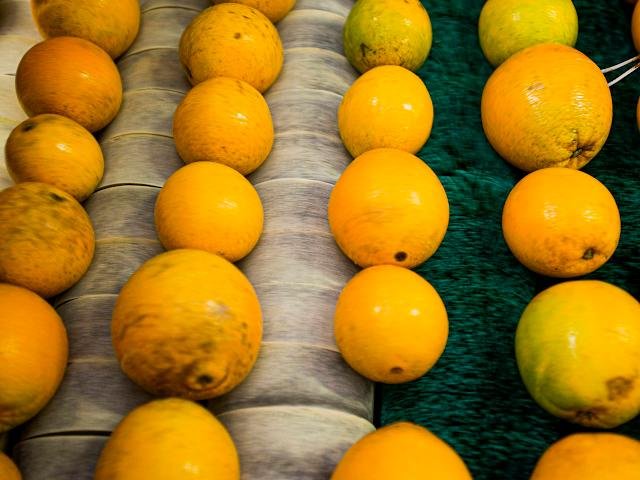
Picture this: You’re at the grocery store, picking out the shiniest apple from the pile. It looks perfect, almost too good to be true. I remember doing the same thing as a kid, thinking that gloss meant it was the freshest one. Turns out, that shine often comes from something unexpected—tiny insects. Yeah, you read that right. For years, we’ve been munching on fruit coated in a substance derived from bugs, and it’s probably in your kitchen right now. But don’t freak out just yet; let’s dive into the fascinating world of this everyday secret.
What Exactly is Shellac?
Shellac is a natural resin that’s been used for centuries in all sorts of ways, from wood finishes to food glazes. In the food world, it’s that glossy coating you see on apples, oranges, and even candies. It’s harvested from trees in places like India and Thailand, where it starts as a sticky secretion. But here’s the twist—it’s not just any resin; it’s produced by insects.
The Lac Bug: Nature’s Tiny Resin Factory
Meet the lac bug, or Kerria lacca, a small scale insect that lives on trees in Southeast Asia. The female bugs suck sap from the branches and secrete a resin to protect their eggs. This resin hardens into shellac, forming a protective shell. It’s kind of like how bees make honey, but way less buzzy and more… buggy.
These little critters swarm in huge numbers—think 100,000 bugs per pound of shellac. They’re not exactly cute, but they’re efficient at turning tree sap into something useful. I once saw a photo of a branch covered in them, and it looked like some alien pod—nature’s weird side, right?
A Brief History of Shellac in Food
Shellac’s story goes back over 3,000 years to ancient India, where it was used as a dye and wood polish. By the 17th century, it made its way to Europe via trade routes. In food, it started as a glaze for confections and fruits to keep them fresh during long journeys. Imagine sailors munching on shellac-coated oranges to fend off scurvy—bugs saving lives, in a roundabout way.
Fast forward to today, and it’s a staple in modern food processing. The FDA approved it as a food additive decades ago, labeling it “generally recognized as safe.” It’s funny how something so old-school is still coating our snacks. I bet our ancestors would chuckle at us debating if it’s vegan.
How Shellac is Harvested and Processed
Harvesting shellac is labor-intensive. Workers scrape the resin-encrusted branches from trees like the kusum or palash. This “sticklac” includes bits of bark and bugs, which get crushed and washed. Then it’s heated, filtered, and formed into flakes or buttons.
In food-grade processing, it’s purified further to remove impurities. Dissolved in alcohol, it becomes a sprayable glaze. It’s a process that’s been refined over millennia, but still relies on those tiny bugs. Next time you see a shiny lemon, thank the lac bug farmers in India—they’re the unsung heroes.
Why Do They Coat Fruits with Shellac?
That shine isn’t just for looks; it’s practical. Fruits naturally have a waxy layer that gets washed off during cleaning. Shellac replaces it, locking in moisture and blocking oxygen to slow spoilage. It can extend shelf life by up to two weeks, reducing food waste.
Plus, consumers love shiny produce—it screams “fresh!” In the U.S., where appearance sells, this coating is a big deal. But it’s not all glamour; it helps during transport too, preventing bruises. Who knew bugs could make your apple last longer?
Common Fruits Coated with Shellac
Not every fruit gets the treatment, but many do. Here’s a quick list:
- Apples: Especially the red varieties for that irresistible gloss.
- Citrus: Oranges, lemons, and grapefruits to preserve juiciness.
- Pears and peaches: To maintain firmness during shipping.
- Avocados and mangoes: For tropical vibes without quick rot.
If it’s shiny and not organic, chances are it’s shellacked. Organic fruits might use it too, since it’s natural—check labels!
Shellac Beyond Fruits: In Candies and More
Shellac isn’t fruit-exclusive. It’s the secret behind jelly beans’ shine—think Jelly Belly or those Easter favorites. It seals in flavors and prevents sticking. You’ll find it in chocolate mints, gum, and even coffee beans.
In meds, it’s pharmaceutical glaze for pills. And don’t forget nuts or raisins—shellac keeps them fresh. It’s everywhere once you start looking. I once checked my candy stash and realized half had “confectioner’s glaze.” Sneaky!
Popular Candies with Shellac
- Jelly beans: That glossy exterior? Bug resin.
- Junior Mints: Shiny and smooth.
- Whoppers: Malted milk balls with a sheen.
- Candy corn: Halloween staple, often glazed.
If it’s hard-coated and shiny, bet on shellac.
Is Shellac Safe to Eat?
Good news: Yes, it’s safe for most people. The FDA deems it GRAS, and studies show low toxicity. It’s been consumed for centuries without major issues. An ADI of 4 mg/kg body weight means you’d need to eat a ton to overdo it.
That said, some might have allergies, like contact dermatitis from cosmetics. But in food, reactions are rare. It’s natural, but processed—volatile compounds evaporate off. If you’re worried, wash fruits well.
Potential Health Concerns
Allergies aside, shellac is low-risk. No links to cancer or major diseases in tests. For kids or pregnant folks, it’s fine in normal amounts. Compared to synthetic additives, it’s a “clean” option. But hey, everything in moderation—even bug resin.
Shellac and Dietary Lifestyles
Shellac raises eyebrows for certain diets. Vegetarians might okay it since bugs die naturally, but strict ones avoid it. For religious diets, it’s kosher in some views but debated. The big question? Veganism.
Is Shellac Vegan?
No, shellac isn’t vegan. It’s an animal product—secreted by insects, and harvesting kills many bugs. PETA estimates 100,000 lac bugs per pound. Vegans skip it, like honey or silk. If you’re plant-based, check for “E904” or “lac resin.”
But some argue it’s byproduct-like. I tried going vegan once and ditched shiny candies—it was eye-opening. Alternatives exist, so no need to compromise.
Alternatives to Shellac: Plant-Based Options
Good news for vegans: Options abound. Carnauba wax from palm leaves is a top substitute—shiny and effective. Beeswax works but isn’t vegan. Corn-based zein or pectin from fruits are rising stars.
For fruits, vegetable oils or citrus extracts do the trick. Companies like FloZein make vegan glazes. If you’re shopping, look for “plant-based wax” labels. It’s a growing market as demand rises.
Pros and Cons of Shellac vs. Alternatives
Here’s a quick comparison:
| Aspect | Shellac | Carnauba Wax | Zein (Corn Protein) |
|---|---|---|---|
| Source | Insect resin | Palm leaves | Corn |
| Shine Level | High | Medium-High | Medium |
| Shelf Life Extension | Excellent (10-14 days) | Good | Fair |
| Vegan-Friendly | No | Yes | Yes |
| Cost | Moderate | Higher | Variable |
| Environmental Impact | Bug harvesting concerns | Palm sustainability issues | Corn farming |
Pros of shellac: Natural, effective, long history. Cons: Not vegan, potential allergies.
Alternatives’ pros: Ethical, plant-based. Cons: Sometimes less glossy or pricier.
People Also Ask: Common Questions About Shellac
Drawing from real searches, here are answers to top queries:
What is shellac made from?
Shellac comes from the resin secreted by female lac bugs on trees in Asia. It’s processed into flakes for use in food and more.
Is shellac safe to eat?
Yes, it’s FDA-approved and considered safe in small amounts. Rare allergies possible, but no major health risks.
How do I remove shellac from fruit?
Scrub with warm water and a brush, or use vinegar soak. Baking soda helps too—natural and effective.
Is shellac the same as nail polish?
No, food shellac is purified resin; nail shellac is a different formula, often synthetic.
Where can I buy uncoated fruits?
Farmers’ markets, organic sections, or stores like Whole Foods often have unwaxed options. Look for matte skins.
FAQ: Your Shellac Questions Answered
1. Does shellac contain actual bugs?
Not in the final product—it’s purified resin. But bugs are involved in production.
2. Can I make my own fruit glaze at home?
Yes! Mix beeswax or carnauba with oil for a DIY version. Recipes online—fun project.
3. Is shellac used in organic foods?
Sometimes, yes—it’s natural and allowed under USDA organic rules.
4. What are the best tools for checking food ingredients?
Apps like Yuka or EWG’s database scan labels. Great for spotting E904.
5. How does shellac affect the environment?
Harvesting impacts forests, but sustainable practices are emerging. Alternatives like zein reduce bug reliance.
Wrapping Up: Bugs in Your Bite?
So there you have it—that shiny coating is shellac, courtesy of lac bugs, and you’ve likely eaten it for years without a hitch. It’s a quirky part of food history that blends nature and necessity. Next time you grab a glossy apple, give a nod to those tiny insects. If it bugs you (pun intended), opt for alternatives or wash well. Either way, knowledge is power—eat informed!
(Word count: 2,756)



Leave a Reply