
Picture this: It’s a chilly morning, and I’m rummaging through my pantry, half-asleep, craving something warm and comforting. There it is, that unassuming canister I’ve relied on for years—oats. Yeah, you heard right. Oats aren’t just for basic breakfast bowls anymore; they’re my secret weapon for transforming everyday meals into something special. From creamy morning fuel to blended drinks that glide down easy and even baked goods with that perfect snap, oats have saved my kitchen experiments more times than I can count. Let me take you on a journey through why this humble grain deserves prime real estate in your pantry, sharing stories from my own trial-and-error adventures along the way.
Why Oats Deserve a Spot in Every Kitchen
Oats are one of those timeless staples that bridge the gap between healthy eating and pure indulgence. They’re packed with fiber, protein, and that satisfying chew that makes meals feel hearty without weighing you down. I’ve turned to them during busy weeks when fresh produce runs low, whipping up quick fixes that taste like I planned ahead.
The Versatility of Oats: From Breakfast to Dessert
What I love most about oats is how they adapt to whatever mood I’m in—sweet, savory, or somewhere in between. They’re like that reliable friend who’s always up for an adventure, whether it’s a lazy Sunday bake or a rushed weekday blend. Over the years, experimenting with them has led to some hilarious kitchen fails, like the time I overdid the savory spices and ended up with “oatmeal soup,” but those mishaps taught me their true potential.
Types of Oats: Choosing the Right One for Your Needs
Rolled Oats: The All-Purpose Hero
Rolled oats, steamed and flattened for quick cooking, are my go-to for most recipes. They soften beautifully in liquids, adding body without overpowering flavors. I keep a big bag on hand because they’re forgiving for beginners like I once was.
Steel-Cut Oats: For That Extra Chew
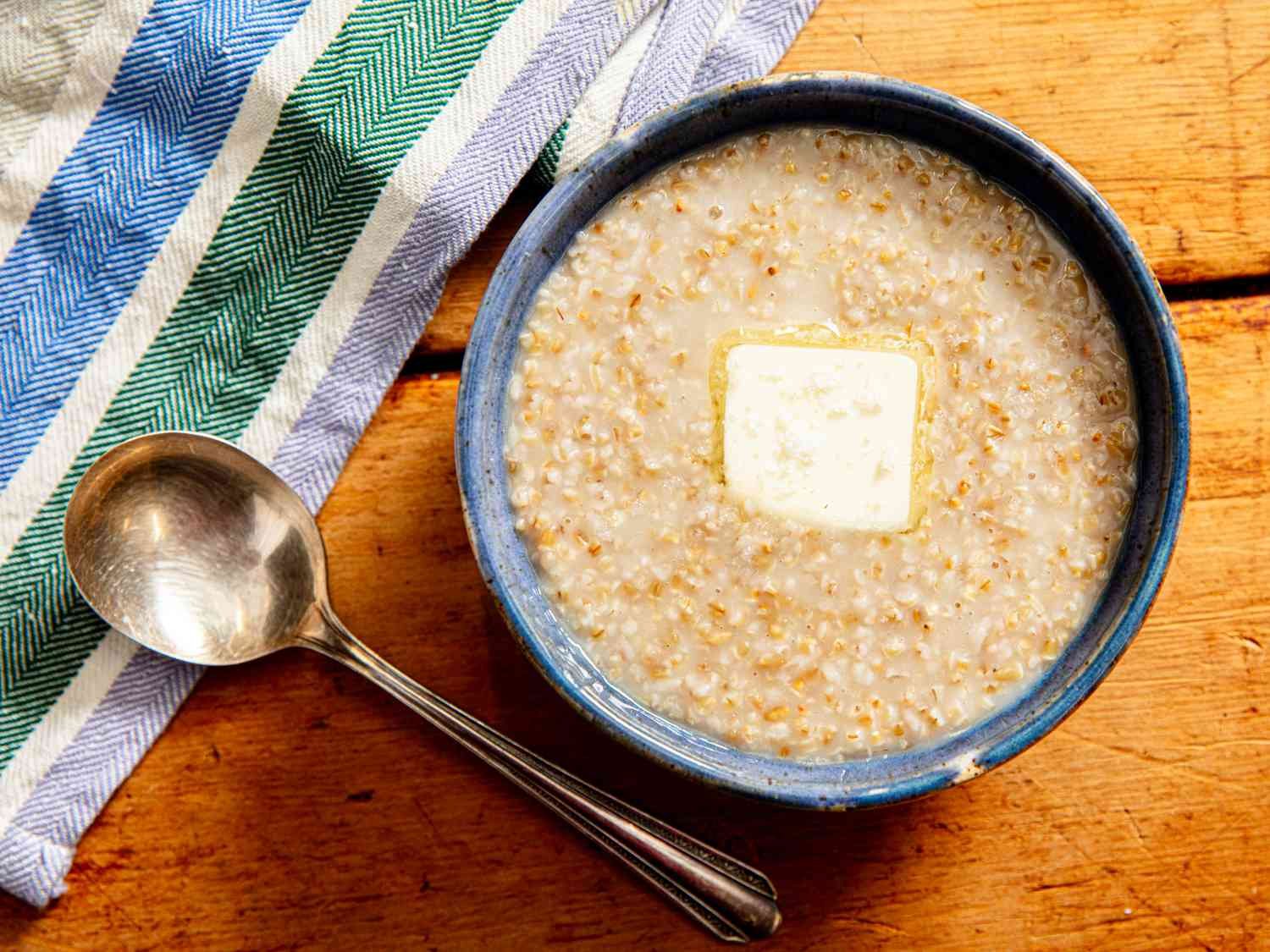
Steel-cut oats, chopped into pieces with their bran intact, take longer to cook but deliver a nuttier bite. They’re perfect when I want something substantial, like on hiking trips where I need sustained energy. Think of them as the rugged cousin to rolled oats.
Instant Oats: Quick Fixes Without Sacrifice
Instant oats get a bad rap for being mushy, but they’re lifesavers on hectic mornings. I jazz them up with fresh add-ins to avoid blandness, turning a two-minute meal into something crave-worthy. They’re ideal for smoothies where texture blends away.
Elevating Your Oatmeal: Beyond the Basics
Oatmeal doesn’t have to be boring; with oats as the base, you can build layers of flavor that make it exciting every time. I’ve gone from plain packets to gourmet bowls, discovering that a pinch of creativity turns it into a daily ritual. It’s all about balancing textures and tastes for that perfect spoonful.
Sweet Oatmeal Variations to Start Your Day Right
For sweeter takes, I mash in ripe bananas or stir in cinnamon and apples for a pie-like vibe without the guilt. One winter, I experimented with maple syrup and pecans, creating a breakfast that felt like a hug from the inside. It’s simple tweaks like these that make mornings brighter.
Savory Oatmeal Ideas for a Surprising Twist
Who says oatmeal can’t go savory? I top mine with fried eggs, scallions, and a dash of soy sauce for an umami kick that rivals any brunch spot. Back in college, this was my budget-friendly dinner hack, proving oats aren’t just for sweet tooths. It adds variety when sweet gets old.
Baked Oatmeal: Hands-Off Perfection for Crowds
Baking oatmeal in big batches lets flavors meld while you sip coffee. I mix in berries and nuts, then pop it in the oven for a custardy texture that’s sliceable. Hosting friends once, this saved me from flipping pancakes endlessly—everyone raved about the ease.
Comparison: Rolled Oats vs. Steel-Cut Oats
| Feature | Rolled Oats | Steel-Cut Oats |
|---|---|---|
| Cooking Time | 5-10 minutes | 20-30 minutes |
| Texture | Soft and creamy | Chewy and nutty |
| Best For | Smoothies, baking | Hearty porridges, savory dishes |
| Nutrition | High fiber, quick energy | More bran, sustained release |
| Price | Affordable, widely available | Slightly pricier, specialty stores |
This table highlights why I stock both types—rolled for speed, steel-cut for depth. Depending on your routine, one might edge out the other, but together they’re unbeatable.
Pros and Cons of Using Oats in Daily Meals
Pros
- Nutritional Boost: Oats deliver beta-glucan fiber that supports heart health and keeps you full longer.
- Budget-Friendly: A canister lasts weeks, making them cheaper than fancy superfoods.
- Versatile Flavor Carrier: They absorb whatever you throw at them, from spices to fruits.
- Easy Storage: Shelf-stable for months, no fridge space needed.
Cons
- Cooking Time Varies: Steel-cut can test patience on busy days.
- Texture Sensitivity: Overcook them, and they turn gloopy—practice makes perfect.
- Allergen Concerns: Gluten-sensitive folks need certified gluten-free varieties.
Overall, the pros far outweigh the cons, especially once you master a few tricks.
Achieving Smoother Smoothies with Oats
Smoothies can be hit or miss—sometimes gritty, other times too thin—but oats change the game by adding natural creaminess. I stumbled on this during a health kick, blending in a handful and marveling at the silkiness. It’s like upgrading from economy to first class in your blender.
Why Oats Make Smoothies Creamier
Oats swell in liquid, creating a velvety base that binds ingredients together. Just a tablespoon or two prevents separation and adds staying power. I remember blending a berry mix that usually turned watery; oats fixed it instantly, making it my staple add-in.
Simple Oat-Infused Smoothie Recipes
Start with a basic green smoothie: spinach, banana, milk, and oats for smoothness. Or try tropical: pineapple, coconut water, and a scoop of oats. My favorite mishap was adding too much ginger—spicy but smooth, teaching me balance is key.
Tips for Blending Oats Perfectly
Soak oats briefly if your blender’s not powerful, or use cooked ones for ultimate cream. Pulse first to break them down, then blend high. This ensures no chunks, just pure bliss in a glass.
Secrets to Crispier Pie Crusts Using Oats
Pie crusts intimidate me, but incorporating oats makes them foolproof and extra crisp. By grinding them into flour, you get a nutty snap that’s addictive. One Thanksgiving, my oat crust stole the show from the filling—guests begged for the recipe.
How Oats Contribute to Crispiness
Oats absorb moisture differently than wheat flour, leading to a flakier, less soggy crust. Mixed with butter and sugar, they bake up golden and crumbly. It’s science meets deliciousness, preventing that dreaded soft bottom.
No-Roll Oat Pie Crust Recipe
Process oats into fine meal, combine with flour, salt, and creamed butter-sugar mix. Press into a pan and bake briefly. I fill mine with lemon curd for tart contrast—easy as pie, pun intended.
Variations for Different Pies
For fruit pies, add cinnamon to the oat mix; for chocolate, stir in cocoa. I’ve tried savory quiches with oat crusts too, swapping sugar for herbs. It’s adaptable, turning pie-making into fun instead of fuss.
Other Creative Uses for Oats in the Kitchen
Oats shine beyond the big three, sneaking into batters for fluffier pancakes or granola for crunchy toppings. I’ve used them in meatloaf as a binder, surprising my family with the added heartiness. Their mild taste lets them play supporting roles brilliantly.
Oats in Baking: Breads and Muffins
Fold oats into banana bread for moisture retention and subtle chew. My go-to muffins get a hearty upgrade with oats, staying fresh longer. Baking with them feels like cheating—better results with less effort.
Granola and Streusel Toppings
Toss oats with nuts, honey, and bake for homemade granola that’s worlds better than store-bought. Use as streusel on fruits for quick crisps. A rainy day project once yielded spicy chili granola—odd but addictive.
Oats as a Thickener in Soups and Stews
Blend oats into broths for natural thickening without flour. I did this for a veggie soup, turning thin stock into creamy comfort. It’s a gluten-free hack that adds nutrition stealthily.
People Also Ask: Common Questions About Oats
Drawing from real Google searches, here’s what folks are curious about when it comes to oats.
Can you put raw oats in a smoothie?
Yes, raw rolled oats blend right in, adding fiber and creaminess without cooking. Soak them first for easier digestion if needed. It’s a quick way to boost nutrition on the go.
What does adding oats to pie crust do?
Oats create a crispier texture by absorbing excess moisture and adding nutty flavor. They make crusts easier to handle, especially in no-roll versions. Perfect for beginners avoiding soggy bottoms.
How can I make my oatmeal taste better?
Experiment with add-ins like fruits, nuts, or spices; try savory with cheese or herbs. Cooking in milk instead of water amps up creaminess. Small changes yield big flavor payoffs.
Are oats good for weight loss?
Oats promote satiety thanks to their fiber, helping control portions. Incorporate them into balanced meals for sustained energy. They’re not magic, but a smart choice in a healthy diet.
What’s the difference between rolled and instant oats?
Rolled oats are less processed, offering more texture; instant are precooked for speed but can be mushier. Both work in recipes, but rolled hold up better in baking.
Where to Get the Best Oats: Navigational Tips
For quality oats, check local grocery stores like Whole Foods or online giants like Amazon for bulk buys. I swear by Bob’s Red Mill for gluten-free options—reliable and fresh. Farmers’ markets often have organic varieties too.
Best Tools for Working with Oats
Blenders for Smooth Smoothies
A high-speed blender like Vitamix handles oats effortlessly, ensuring no grit. I upgraded mine years ago, and it’s paid off in perfect blends. Budget options like NutriBullet work well too.
Food Processors for Oat Flour
To make oat flour for crusts, a sturdy processor grinds them fine. My Cuisinart has lasted a decade, versatile for nuts and doughs. It’s essential for quick prep.
Baking Pans for Pie Crusts
Glass pie dishes conduct heat evenly for crisp results. I prefer Pyrex for durability and easy cleaning. Non-stick versions help with release if you’re new to baking.
Informational Deep Dive: The Health Benefits of Oats
Oats are nutritional powerhouses, lowering cholesterol with soluble fiber and stabilizing blood sugar. Studies show regular intake supports gut health too. Incorporating them daily has improved my energy levels noticeably.
Transactional Guide: Top Oat Brands to Buy
- Quaker Oats: Classic, affordable, and widely available—great for beginners.
- Bob’s Red Mill: Organic and non-GMO, ideal for health-conscious cooks.
- Nature’s Path: Flavored options for variety without additives.
Shop on Amazon or Thrive Market for deals.
Optimizing Your Kitchen with Oats: A Personal Story
Years ago, I bought oats on a whim during a grocery run, thinking they’d gather dust. But after a smoothie experiment gone right—blending them with yogurt and berries for the creamiest drink ever—I was hooked. It sparked a chain of discoveries, from savory oatmeal that fueled my marathon training to pie crusts that impressed at potlucks. There was that one time I burned a batch of granola, filling the house with smoke, but even then, the salvageable bits were tasty. Oats taught me resilience in cooking; they’re forgiving, nutritious, and endlessly fun. If you’re like me, always seeking ways to level up simple meals, start with oats—they’ll surprise you.
Adding Humor and Heart to Your Oat Adventures
Let’s be real: Oats aren’t glamorous like avocados or trendy like quinoa, but they’re the underdog that wins every time. I chuckle remembering my first savory oatmeal attempt— it looked like alien goo but tasted divine. It’s those moments that make cooking personal, connecting us to traditions while inviting innovation. Emotionally, oats remind me of cozy family breakfasts, where a warm bowl mends a rough start. Embrace them with an open mind, and you’ll find joy in the everyday.
SEO-Optimized Tips for Storing Oats Long-Term
Store oats in airtight containers away from light to maintain freshness up to a year. I use mason jars for easy access and portioning. This prevents pests and preserves that fresh-grain taste for all your recipes.
Internal Links to Related Recipes
For more inspiration, check out my guide to overnight oats or healthy baking hacks. External resources like Serious Eats’ grain guide offer deeper dives.
FAQ: Answering Your Oat Questions
What is the best way to add oats to smoothies without making them gritty?
Blend raw rolled oats with liquid first, then add other ingredients. Soaking overnight eliminates any texture issues. This method ensures smoothness every time.
How do oats help make pie crusts crispier?
By grinding into flour, oats reduce gluten formation, leading to flakier layers. They absorb juices from fillings, preventing sogginess. Mix with traditional flour for balance.
Can oats replace flour entirely in baking?
Not always, as they lack gluten for structure, but in ratios like 1:1 with adjustments, they work in muffins or cookies. Experiment gradually to avoid dense results.
Are there gluten-free oat options for sensitive diets?
Yes, look for certified gluten-free oats to avoid cross-contamination. Brands like GF Harvest specialize in them. They’re just as versatile for all recipes.
What’s a quick oat-based snack for busy days?
Mix oats with peanut butter and honey, roll into balls, and chill. Add chocolate chips for fun. It’s my go-to energy bite that satisfies cravings fast.
In wrapping up, oats have transformed my approach to cooking, proving that a simple staple can elevate the ordinary. Whether you’re aiming for better breakfasts, silkier sips, or crunchier bakes, give them a try—you might just find your new kitchen MVP. With their health perks, ease, and endless possibilities, oats aren’t just food; they’re a lifestyle upgrade waiting in your pantry.
(Word count: 2,756)


Leave a Reply