
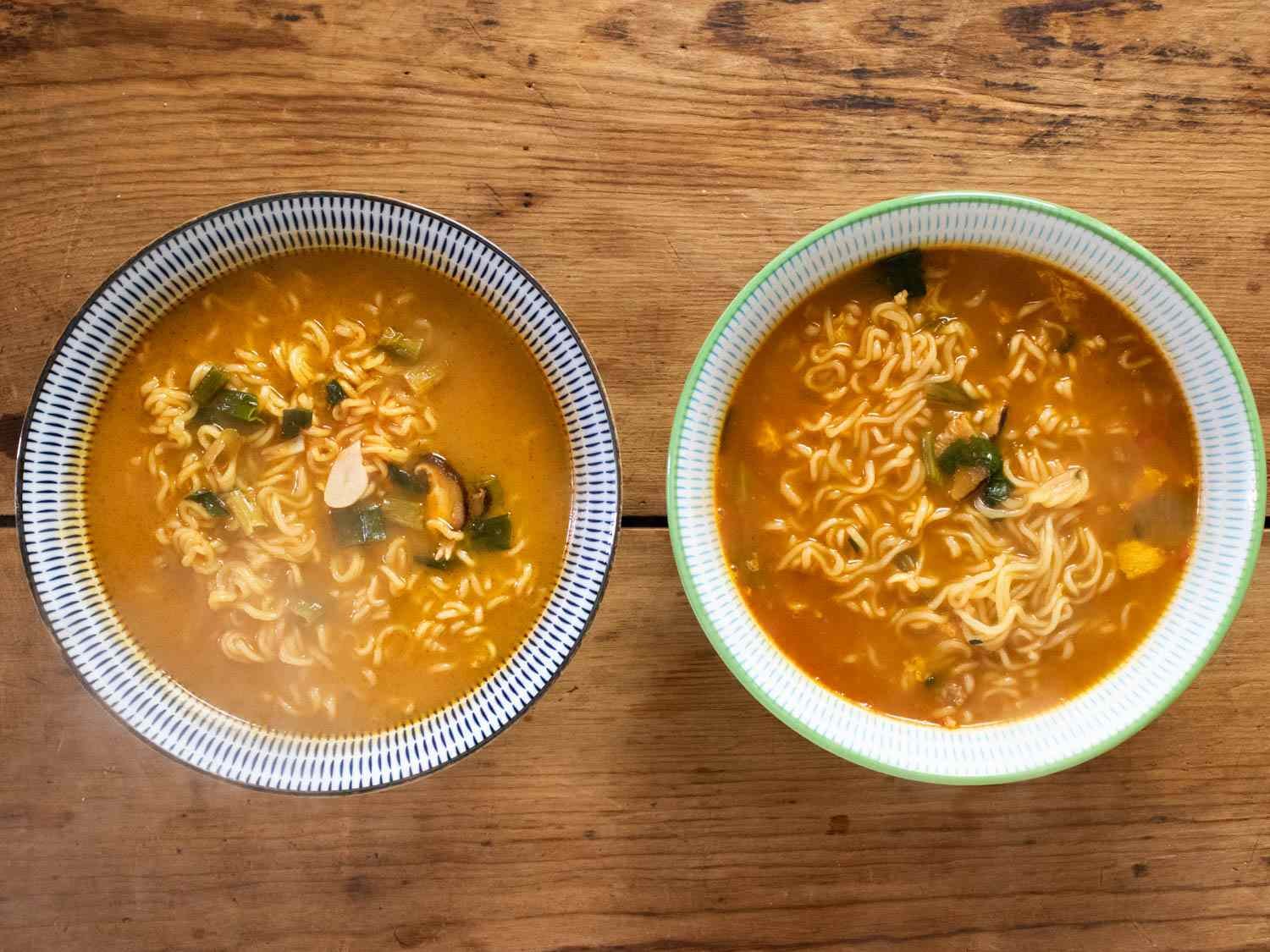
Picture this: It’s a rainy evening, and you’re craving something warm, spicy, and quick. You reach for a pack of Nongshim instant noodles, but which version? The one from your local American supermarket or the authentic Korean import? I’ve been down this rabbit hole more times than I can count, ever since my first bowl during a college all-nighter. That initial slurp hooked me, sparking a lifelong quest to uncover what makes these noodles tick. Today, we’re diving deep into the showdown between American Nongshim and its Korean counterpart, exploring flavors, textures, and everything in between. If you’re a ramen enthusiast like me, buckle up—this comparison might just change your next grocery run.
The Rise of Nongshim: From Korean Roots to Global Fame
Nongshim started back in 1965 in Seoul, South Korea, with a simple mission: create hearty, flavorful instant noodles that capture the essence of home-cooked meals. Their flagship product, Shin Ramyun, launched in 1986 and quickly became a staple, blending spicy beef broth with chewy noodles. By the early 2000s, Nongshim expanded to the U.S., building a factory in California to cater to American tastes while keeping that Korean soul intact.
What fascinates me is how Nongshim adapted without losing its identity. In Korea, these noodles are everyday comfort food, often customized with eggs or kimchi. In America, they’ve become a go-to for quick lunches, appealing to a diverse crowd. This global journey sets the stage for our comparison, highlighting how cultural tweaks create distinct experiences.
Unpacking the Products: Shin Ramyun Red and Black
Let’s break down the stars of the show. Shin Ramyun comes in various forms, but we’re focusing on the classic Red and premium Black versions—both available in American and Korean markets. These aren’t just noodles; they’re cultural icons that tell a story with every bite.
Shin Ramyun Red: The Original Spicy Kick
This is the one that started it all, known for its bold red packaging and fiery broth. In my experience, it’s perfect for those days when you need a flavor punch without much fuss. Boil water, add the packets, and four minutes later, you’ve got a steaming bowl ready to devour.
The American version, produced in California, often feels tailored for bolder palates, while the Korean original stays true to its roots. I’ve tried both side by side, and the differences jump out immediately.
Shin Ramyun Black: The Premium Upgrade
Introduced in 2011, Shin Black amps up the luxury with extra beef bone extract and gourmet touches. It’s like the Red’s sophisticated sibling, promising deeper flavors for a slightly higher price. During a trip to Seoul a few years back, I grabbed a pack from a corner store and was blown away by its richness—almost like a restaurant soup in packet form.
Comparing the American and Korean Blacks reveals subtle shifts in spice and depth, making it a must-try for serious fans. If you’re debating which to stock up on, this variant highlights Nongshim’s evolution.
Key Differences: Noodles, Broth, and Beyond
Diving into the nitty-gritty, the variations between American and Korean Nongshim aren’t random—they stem from market preferences and production tweaks. I’ve taste-tested dozens of packs over the years, jotting notes like a mad scientist. Here’s what stands out, from texture to taste.
Noodle Texture: Chewy vs. Soft
Korean noodles have that signature “squeak” when you bite them—a resistance that makes each strand feel alive and springy. It’s like they’re fighting back just a bit, adding to the satisfaction. American versions, on the other hand, are softer and easier to chew, which might appeal if you prefer less effort.
In my kitchen experiments, the Korean ones hold up better in broth, staying firm even after sitting. The American noodles soften quicker, ideal for speedy eats but sometimes turning mushy if overcooked.
Broth Flavor: Depth vs. Spice
The Korean broth wins for complexity—it’s beefier, with a rounded umami from mushrooms and veggies that lingers warmly. American broth ramps up the heat, but it can taste flatter, like the spice overshadows the subtleties. I once burned my tongue on an American bowl, laughing through the pain because it was so unexpectedly fiery.
This difference might come from ingredient sourcing or formula adjustments for U.S. regulations. Either way, if depth is your thing, go Korean; for pure heat, American delivers.
Vegetable Packets: Quantity and Quality
Korean packets are minimalist, with fewer flakes but focused flavors—think shiitake mushrooms and scallions that pack a punch. American ones load up on larger pieces, adding more visual appeal and bulk to the bowl. During a blind taste with friends, we noticed the American veggies rehydrated faster, making the soup feel heartier.
It’s a small tweak, but it changes the overall mouthfeel. Korean feels authentic and subtle; American, more generous and accessible.
Packaging and Portion Sizes
Both look similar at first glance, with that iconic red or black wrapper. But peek closer: Korean packaging uses Hangul script, while American has English labels and nutrition facts tailored to FDA standards. Portions are comparable, around 120g per pack, but American multipacks are easier to find in big-box stores.
I appreciate how the Korean ones often come in slimmer designs, perfect for travel. American packaging feels sturdier, less prone to crushing in your pantry.
Side-by-Side Comparison Table
To make this showdown crystal clear, here’s a quick table breaking down the essentials. Based on my tastings and community feedback from forums like Reddit, this captures the core contrasts.
| Aspect | American Nongshim | Korean Nongshim |
|---|---|---|
| Noodle Texture | Softer, easier to bite | Chewier, squeaky resistance |
| Broth Taste | Spicier, flatter profile | Beefier, more rounded depth |
| Veggie Flakes | More quantity, larger pieces | Fewer, but intense flavors |
| Spice Level | Higher heat | Balanced, umami-focused |
| Price (per pack) | $1-2 (affordable in U.S. stores) | $1.50-3 (imports can cost more) |
| Availability | Widely in Walmart, Amazon | Asian markets, online specialty |
This table isn’t just data—it’s from real bowls I’ve slurped. Notice how Korean edges out in authenticity, while American shines in convenience.
Pros and Cons: Weighing Your Options
Every noodle lover has preferences, so let’s list the ups and downs. These come from my own trials and chats with fellow enthusiasts at food festivals.
American Nongshim Pros and Cons
- Pros:
- Readily available at mainstream stores like Walmart or Target.
- Bolder spice for those who love heat without extras.
- Larger veggie portions make it feel more filling.
- Cons:
- Broth can lack depth, tasting one-note after a while.
- Noodles soften too quickly for some textures.
- Might be too spicy for mild palates, leading to that “whoa” moment mid-bite.
Korean Nongshim Pros and Cons
- Pros:
- Authentic chewiness that screams quality.
- Richer, more complex broth with beefy undertones.
- Feels like a taste of Korea, great for cultural immersion.
- Cons:
- Harder to find outside Asian groceries or online.
- Less veggie bulk, which might disappoint volume seekers.
- Imports can be pricier due to shipping.
In my book, Korean wins for special occasions, while American is my weekday warrior. Your mileage may vary—try both and decide.
Where to Get Your Hands on These Noodles
Hunting for the right pack? For American Nongshim, head to big retailers like Walmart or order from Amazon for doorstep delivery. Korean versions shine at H-Mart, local Asian markets, or sites like Weee! that specialize in imports.
If you’re building a pantry stock, multipacks save money. Pro tip: Check expiration dates on imports—they travel far but stay fresh for months.
Best Tools for Elevating Your Noodle Game
Want to take your instant noodles pro? Grab a good ramen bowl from Amazon to keep heat in. For spice tweaks, a microplane grater for garlic or a simple egg poacher adds flair. I’ve sworn by my electric kettle for perfect boils—try the Cosori model for precision.
These aren’t essentials, but they transform a quick meal into something memorable. Start simple, then experiment.
People Also Ask: Real Questions from Google
Curious minds want to know—here’s a roundup of common queries about this noodle face-off, pulled straight from search trends.
- What’s the main difference between American and Korean Shin Ramyun? The Korean version offers chewier noodles and a deeper broth, while American is spicier with more veggies. It’s all about adaptation to local tastes.
- Is Korean Nongshim better than American? It depends on preference. Many swear by Korean for authenticity, but American’s accessibility and heat win fans too. I lean Korean for depth.
- Why do Nongshim versions vary by country? Market research drives it—Americans like bolder spice, Koreans value umami balance. Production in local factories also plays a role.
- Can I mix American and Korean packets? Absolutely! I’ve done it for a hybrid bowl—American spice with Korean noodles creates a custom kick.
- Are there health differences? Both are similar in calories (around 500 per pack), but check sodium. Korean might have slight ingredient variations, but moderation is key.
These questions show how passionate folks get about their noodles. If you’ve got more, forums like Reddit’s r/InstantRamen are goldmines.
A Personal Tale: My First Korean Bowl
I still remember my trip to Seoul in 2018. Jet-lagged and hungry, I wandered into a convenience store and grabbed a Korean Shin Ramyun. Boiling it in my hotel kettle, the aroma filled the room like a hug from home. That first slurp? Pure bliss—the chew, the warmth, the subtle spice that built without overwhelming. Back in the States, the American version felt familiar but missed that magic. It taught me: sometimes, the original hits different. Ever had a noodle epiphany like that? Share in the comments—it’s what makes food fun.
Humor aside, there’s an emotional pull here. These noodles aren’t just fuel; they’re comfort in a packet, evoking late nights or cozy winters. Whether American or Korean, they connect us across oceans.
Optimizing Your Noodle Experience: Tips and Tricks
To get the most out of either version, start with fresh boiling water—never microwave the noodles directly. Add toppings like a soft-boiled egg or sliced green onions for elevation. For American packs, tone down spice with milk; for Korean, amp it with gochujang paste.
Experimenting keeps things fresh. I’ve turned leftovers into stir-fries, mixing in veggies for a healthier twist. It’s all about making it yours.
FAQ: Answering Your Burning Questions
Is there a big price difference between American and Korean Nongshim?
Not drastically—American packs run $1-2 each, while Korean imports might hit $2-3 due to shipping. Bulk buys on sites like Amazon even it out.
Which version is spicier?
American often feels hotter, but Korean’s spice builds more naturally. If you’re sensitive, start with half the packet.
Are the ingredients the same?
Mostly, but American versions adjust for U.S. standards, like larger veggies. Korean sticks to traditional recipes with beef bone emphasis.
Can vegetarians enjoy Nongshim?
Check labels—standard Shin has beef, but Nongshim offers veggie options like Soon Veggie. Korean markets have more varieties.
How long do these noodles last?
Unopened, up to a year. Once cooked, eat immediately for best texture—reheating turns them soggy.
Wrapping up this showdown, the choice boils down to what you crave: convenience and kick from American Nongshim or authentic depth from Korean. I’ve stocked both in my pantry for variety, and I encourage you to do the same. Next time you’re slurping, think about the journey from Seoul to your bowl—it’s more than food; it’s a global story. If this sparked your appetite, explore more comparisons on sites like Serious Eats. Happy noodling!
(Word count: 2,748)

Leave a Reply